Focused arrival windows
Useful updates and clear arrival timing.
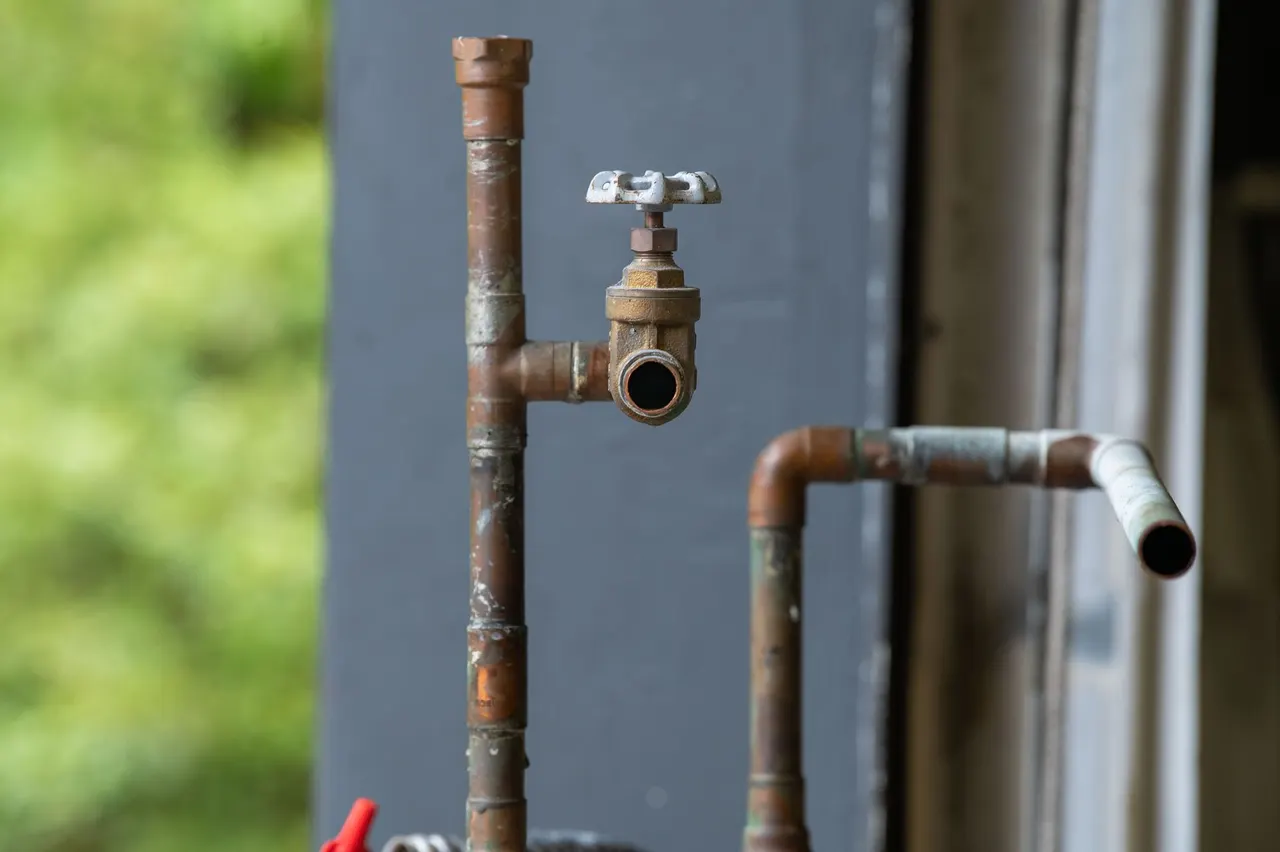
Water Heater Maintenance Cincinnati OH is the once-a-year service that keeps your tank or tankless unit running at full efficiency. We flush sediment, test the T&P valve, and check the anode rod before small problems turn into a flooded basement. Whether you own a home in Hyde Park or manage units in Over-the-Rhine, our water heater tune up Cincinnati crews show up on time, work clean, and leave you with hot water you can count on.
Useful updates and clear arrival timing.
Review the approach and price before deciding.
Equipped vehicles and respectful cleanup.
Neighbors serving neighbors with follow-through.
Every water heater maintenance service Cincinnati Ohio visit covers the full checklist below. If we find something that needs a separate repair, like a failed element or a cracked dip tube, we quote it before we touch it. You decide what gets done.
We drain the tank completely and run fresh water through until it comes out clear. This removes the calcium and magnesium sediment that builds up on the tank floor. On a 50 gallon unit the flush takes 15 to 25 minutes and is the single most important step.
We pull the anode rod and measure how much sacrificial metal is left. Under 50 percent and we replace it. This $40 to $90 part is what keeps your steel tank from rusting from the inside out. Skipping it is why most tanks fail at year seven.
We lift the lever on the temperature and pressure relief valve and confirm it reseats and holds. A stuck valve is a real safety risk and a code violation. If it fails, we replace it with a brass fitting rated for your tank's pressure.
On electric units we test both elements with a multimeter and check resistance. On gas we inspect the burner, thermocouple, and flue. We set the thermostat to 120 degrees Fahrenheit unless you need it higher for a specific reason.
We check the flue, draft hood, gas connections, and water supply lines for leaks or corrosion. We look at the Teflon tape and pipe solder joints on the connections. Any weeping fitting gets tightened or replaced before we leave.
You get a written summary of everything we found, what we replaced, and what to watch for before the next visit. It includes the anode rod condition, sediment level, valve test result, and thermostat setting. Keep it for your records and warranty.
Share what is happening and receive a clear next step from the local team.
Water Heater Maintenance Cincinnati OH is a scheduled service that drains and flushes the tank, inspects the anode rod, tests the temperature and pressure relief valve, and checks the heating elements, thermostat, and connections for wear. We pull the dip tube, look for scale, and verify the flue or venting on gas units. On tankless systems we run a descaling flush through the heat exchanger using a pump and vinegar-based solution. The whole visit takes 60 to 90 minutes for a standard 40 to 50 gallon tank.
Cincinnati water carries dissolved calcium and magnesium that settles as sediment on the tank floor. Left alone, that layer insulates the burner, drives up gas bills, and shortens tank life by years. Homes in older neighborhoods like Clifton and Northside often have hard water plus aging copper pipe, which makes an annual water heater maintenance Cincinnati OH visit even more important. If you have never had a water heater flush Cincinnati service, your tank is likely overdue.
We kill the gas valve or flip the breaker, close the cold-water shutoff, and connect a hose to the drain valve. The tank drains into a floor drain or utility sink. On a 50 gallon unit this takes 15 to 25 minutes. We use a pipe wrench on stubborn drain valves and replace any that are corroded or weeping.
We open the cold inlet with the drain still open and let water run through until it comes out clear. For heavy sediment we use a hydro jetting machine or a dedicated descaling pump with a vinegar solution for tankless units. This is the step that removes the calcium grit you hear popping on the burner.
We pull the anode rod with a socket and breaker bar and measure how much sacrificial metal is left. Under 50 percent and we swap it. We test the T&P valve by lifting the lever and confirming it reseats. A stuck valve is a code violation under the Ohio Plumbing Code and a real safety risk.
On electric units we test both heating elements with a multimeter and verify resistance. On gas we inspect the thermocouple, burner assembly, and flue for debris or backdraft. We set the thermostat to 120 degrees Fahrenheit, the EPA WaterSense recommended setting for most households.
We close the drain, reopen the cold supply, and purge air from every hot tap. Then we relight the pilot or restore power and confirm the unit fires. You get a written summary of what we found, what we replaced, and what to watch for before the next visit. Total time is 60 to 90 minutes.
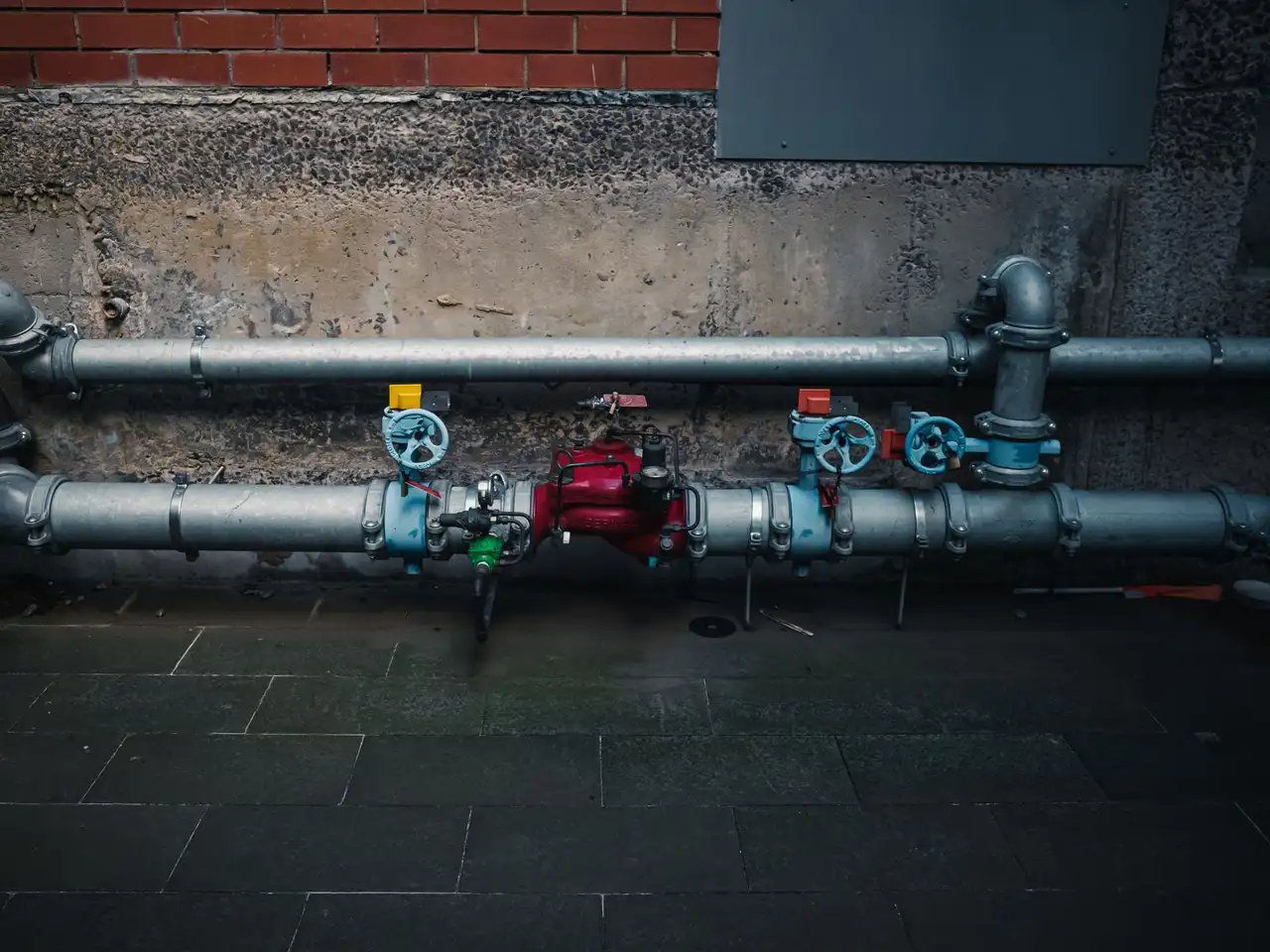
Used to break loose the anode rod, drain valve, and supply connections without rounding the hex. The right jaw size matters on older brass fittings that have been in place for 20 years.
Tests heating element resistance and verifies voltage at the thermostat. This is how we confirm an element is actually bad before we replace it, instead of guessing.
Circulates a vinegar-based solution through tankless heat exchangers to dissolve scale. Required for Navien, Rheem, and A.O. Smith tankless units to keep the warranty valid.
Clears heavy sediment and scale from tank drains and nearby floor drains. Also used when a flush stirs up debris that clogs a slow utility room drain.
Lets us look inside the flue, vent, and nearby drain lines without cutting anything open. Useful when we suspect backdraft or a blocked floor drain near the tank.
For cutting and reconnecting copper pipe when a supply line or T&P discharge line needs replacement. We use lead-free pipe solder and brass fittings rated for potable water.
Push-to-connect fittings that let us make a fast, code-approved repair on copper pipe or PEX tubing without shutting down the whole house. Handy for emergency fixes.
We drain the tank fully, then run fresh water through the open drain until it comes out clear. This is the standard method for removing sediment. It takes 15 to 25 minutes on a 50 gallon tank and is the single biggest factor in extending tank life.
We pull the existing rod with a socket and breaker bar, measure the remaining sacrificial metal, and install a new one if it is under 50 percent. We use magnesium or aluminum rods depending on your water chemistry. This is the cheapest way to add years to a tank.
We isolate the unit, connect a pump to the service valves, and circulate a vinegar solution through the heat exchanger for 30 to 45 minutes. Then we flush with clean water. This is the manufacturer-recommended method for annual tankless maintenance.
We lift the test lever, confirm the valve opens and reseats, and check for weeping. If it fails, we replace it with a new brass valve rated for the tank's pressure and temperature limits. This is required under the Uniform Plumbing Code.
We verify the thermostat setting with a thermometer at the nearest tap and adjust as needed. We set most homes to 120 degrees Fahrenheit, which is the EPA WaterSense recommendation and reduces scald risk and standby heat loss.

We start with a full inspection and flush, then pull the anode rod to see how much life is left. You get a written report with the tank age, condition, and a realistic replacement window. You know exactly what you own and when to budget for a new tank, instead of getting surprised by a failure.
We flush the sediment, test the elements and thermostat, and check the burner for scale. We set the thermostat to 120 degrees Fahrenheit and verify recovery rate. Most customers see a 5 to 12 percent drop in water heating costs and a quieter tank within one billing cycle.
We run a descaling pump with a vinegar solution through the heat exchanger, then flush the inlet filter and check the flow sensor. We log the service so you have proof for the warranty. Your warranty stays valid, the unit keeps its efficiency rating, and error codes from scale buildup stop.
We do a full tune up, replace any failed parts, and provide a written report with photos. We address the specific items the inspector called out, like a stuck T&P valve or a missing expansion tank. You clear the inspection item fast and give the buyer a documented service record on the tank.
Cincinnati sits on moderately hard water drawn from the Ohio River and local aquifers. That water carries calcium and magnesium that settle as scale inside every tank. Homes in older neighborhoods like Clifton, Northside, and Price Hill often have original copper pipe and tight utility closets, which makes access the first challenge on many jobs. Newer builds in Mason, West Chester, and Sharonville usually have PEX tubing and more room, but they still see scale buildup within 3 to 5 years. Winter matters too. When the Ohio River valley drops below freezing, supply lines in unheated garages and crawl spaces are at risk of frozen pipes, and a water heater working harder in cold weather stresses every fitting. We schedule most annual water heater maintenance Cincinnati OH visits in fall, before the first hard freeze, so tanks are ready for peak demand. If you are searching for an annual water heater tune up Cincinnati, we can usually get you on the schedule within a week.
Many homes here have original copper pipe and tight basement utility rooms. We plan extra time for access and often replace corroded drain valves while we are in there.
A mix of older homes and recent renovations. We frequently find tanks that were installed without an expansion tank, which we add to protect the system.
Newer builds with PEX tubing and tankless units. Annual descaling is the main service here because the water is still hard enough to scale heat exchangers.
Larger older homes with gas tanks in basements. We see heavy sediment and often recommend a shorter flush interval of 8 to 10 months.
Suburban homes with 50 to 75 gallon tanks serving larger families. Recovery rate and element condition matter most on these visits.
Calcium and magnesium settle on the tank floor within 12 months. Annual flushing is the fix, and skipping it drives up gas bills and shortens tank life by 3 to 5 years.
Cold snaps stress supply lines and fittings. We check pipe insulation and heat tape on lines feeding the water heater, especially in garages and crawl spaces.
Corroded fittings and aging shutoff valves are common. We replace weeping valves during a tune up so the next service is not a repair call.
T&P valves, expansion tanks, and discharge lines must meet code. We verify all three on every visit so your system passes inspection.
A family in Oakley had a 9-year-old Rheem gas tank that popped and rumbled every time it fired. Their gas bill had crept up about $14 a month over two winters. The anode rod had never been replaced, and the tank floor had a thick layer of sediment.
We flushed the tank twice, replaced the anode rod, and set the thermostat to 120 degrees Fahrenheit. The popping stopped that day. Their next two gas bills came in $11 and $13 lower than the same months the year before.
Maintenance: We put them on an annual plan and check the anode rod every 3 years. With that schedule, this tank should reach 15 years instead of failing at 10.
A Blue Ash homeowner had a Navien tankless unit throwing an error code and cutting out mid-shower. The unit had never been descaled in 4 years. The heat exchanger was coated with scale, and the inlet filter was partly blocked.
We ran a 45-minute descaling flush with a vinegar solution, cleaned the inlet filter, and reset the unit. Hot water came back steady and the error code cleared. Flow rate measured back at the manufacturer spec.
Maintenance: They booked an annual descale for the following year. That keeps the warranty valid and prevents the scale from coming back to the same level.
A Westwood homeowner noticed a small puddle under the tank every few days. The T&P valve was weeping and the drain valve was corroded shut. The tank was 7 years old and had never been serviced.
We replaced the T&P valve and the drain valve with new brass fittings, flushed the tank, and pressure-tested both connections. No more puddle. The tank is now on a yearly schedule and running clean.
Maintenance: We test the T&P valve at every annual visit and check the drain valve for corrosion. Catching a weeping valve early is what keeps a $200 repair from becoming a $4,000 flood.
Most water heater failures in Cincinnati start small and give warning signs for months. An annual water heater tune up Cincinnati catches those signs before they turn into a flooded utility room or a cold-shower Monday morning.
Sediment on the tank floor traps water underneath and overheats it, which causes the popping. Left alone, the tank floor cracks and the unit fails years early. We drain and flush the tank completely, then inspect for stress cracks near the burner. If the sediment layer is heavy, we run a second flush. Most popping stops after the first visit, and the burner runs quieter and shorter.
Rusty hot water usually means the anode rod is spent and the tank lining is starting to corrode. If you ignore it, the tank rusts through and leaks, often onto a finished basement floor. We pull the anode rod and replace it with a new one matched to your tank. If the tank itself is already compromised, we tell you straight and quote a replacement. Catching it early often buys you 3 to 5 more years.
A failing lower heating element or a broken dip tube causes short showers and cold laundry. Many homeowners replace the whole tank when a $60 part would have fixed it. We test both elements with a multimeter and check the dip tube. If the lower element is bad, we swap it on the spot. Our vans carry common elements for Rheem, A.O. Smith, and Kohler tanks, so most fixes happen in one visit.
A weeping T&P valve or a loose drain valve can turn into a full tank rupture. Water damage from a failed water heater often runs $3,000 to $8,000 in repairs. We identify the source, tighten or replace the fitting, and pressure-test the connection. If the tank itself is weeping, we give you an honest read on repair versus replacement and can install a new unit the same day.
Our technicians hold Ohio plumbing licenses and work under a master plumber license on every job. We carry backflow prevention certification where required and follow OSHA safety certification on gas appliance work. Our vans stock Rheem, A.O. Smith, Navien, and Kohler parts so most repairs happen on the first visit. We have serviced tanks in century-old basements in Price Hill and brand-new builds in Mason. That range matters, because a 1990s tank in a tight Westwood utility closet is a different job than a modern tankless in a Sharonville garage. We know the local water, the local code, and the local housing stock.
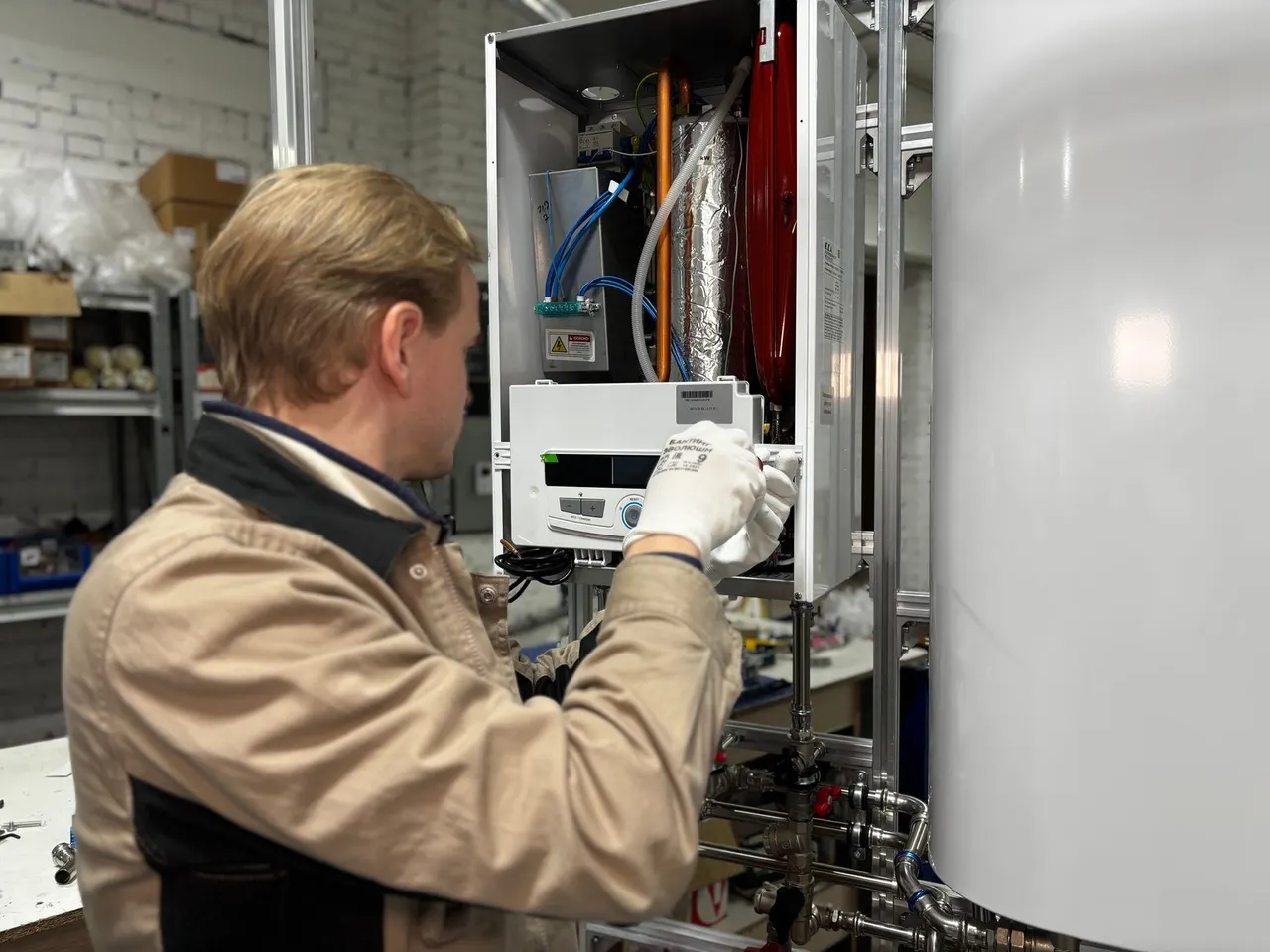
Our gas bill dropped about $9 a month after the flush, and the popping noise in the tank is gone. The tech showed me the anode rod he pulled out, and it was down to a pencil. He replaced it on the spot. Took about 75 minutes total. I had put this off for years and wish I had not.
I manage four rental units and had two tanks fail in one winter. Now I put all of them on an annual plan. The crew comes out, flushes each tank, and sends me a written report with photos. No more 2 a.m. calls from tenants about cold showers. Worth every dollar.
We have a Navien tankless that was throwing an error code. They descaled the heat exchanger and walked me through what caused the scale buildup. Also showed me how the water here in Blue Ash is harder than I thought. Booked the annual descale for next year before they left.
Most Cincinnati homeowners pay $150 to $250 for a standard tank flush and inspection in 2026. Tankless descaling runs $200 to $350 because it takes longer and needs a pump. Anode rod replacement adds $40 to $90 in parts. If you have never had a water heater flush Cincinnati service, expect the first visit to run toward the higher end because of heavy sediment.
Once a year for most Cincinnati homes. Our water is moderately hard, and the calcium in it settles fast. If you have a large family or a 50 gallon tank that runs hard, every 8 to 12 months is right. Tankless units need descaling every 12 months, or every 6 months if you have very hard water in areas like West Chester or Mason.
A full tune up includes draining and flushing the tank, inspecting and testing the anode rod, testing the T&P relief valve, checking the heating elements or burner assembly, verifying the thermostat setting, and inspecting the flue or venting on gas units. You also get a written report. Tankless tune ups add a descaling flush through the heat exchanger.
Yes. We offer annual water heater maintenance Cincinnati OH plans that put you on a reminder schedule so you never miss a year. We call or text when your next service is due, and you pick the day. Customers on the plan get priority scheduling and a locked-in rate. Call 513-827-8348 to set yours up.
Not seeing your question? Our local team can help you understand urgency, scheduling and what to expect.
Ask the local team
If your tank is leaking or you have no hot water, our 24/7 emergency crew responds fast. We handle burst pipe, water heater failure, and shutoff valve problems around the clock. Maintenance prevents most of these calls, but when one hits, we are ready.
View service
Water heater maintenance fits into our full residential plumbing service for Cincinnati homeowners. We handle everything from leaky faucet repairs to full repiping. One call covers the whole house, and we keep records so your next visit is faster.
View service
Restaurants, salons, and small offices in Cincinnati depend on steady hot water. We service commercial tanks and tankless systems on a maintenance schedule that fits your hours. We work after close so your business never loses a day.
View service
A tune up often turns up small repairs worth doing the same day. We fix leaky faucets, running toilets, and failing shutoff valves while we are already on site. That saves you a second service call and a second trip charge.
View service
Call us at 5138278348 any time, day or night. We answer emergency calls 24/7 and schedule regular service calls Monday through Friday. If you prefer email, reach us at info@emergencyplumbercincinnatipros.com and we'll get back to you the same day.