Focused arrival windows
Useful updates and clear arrival timing.
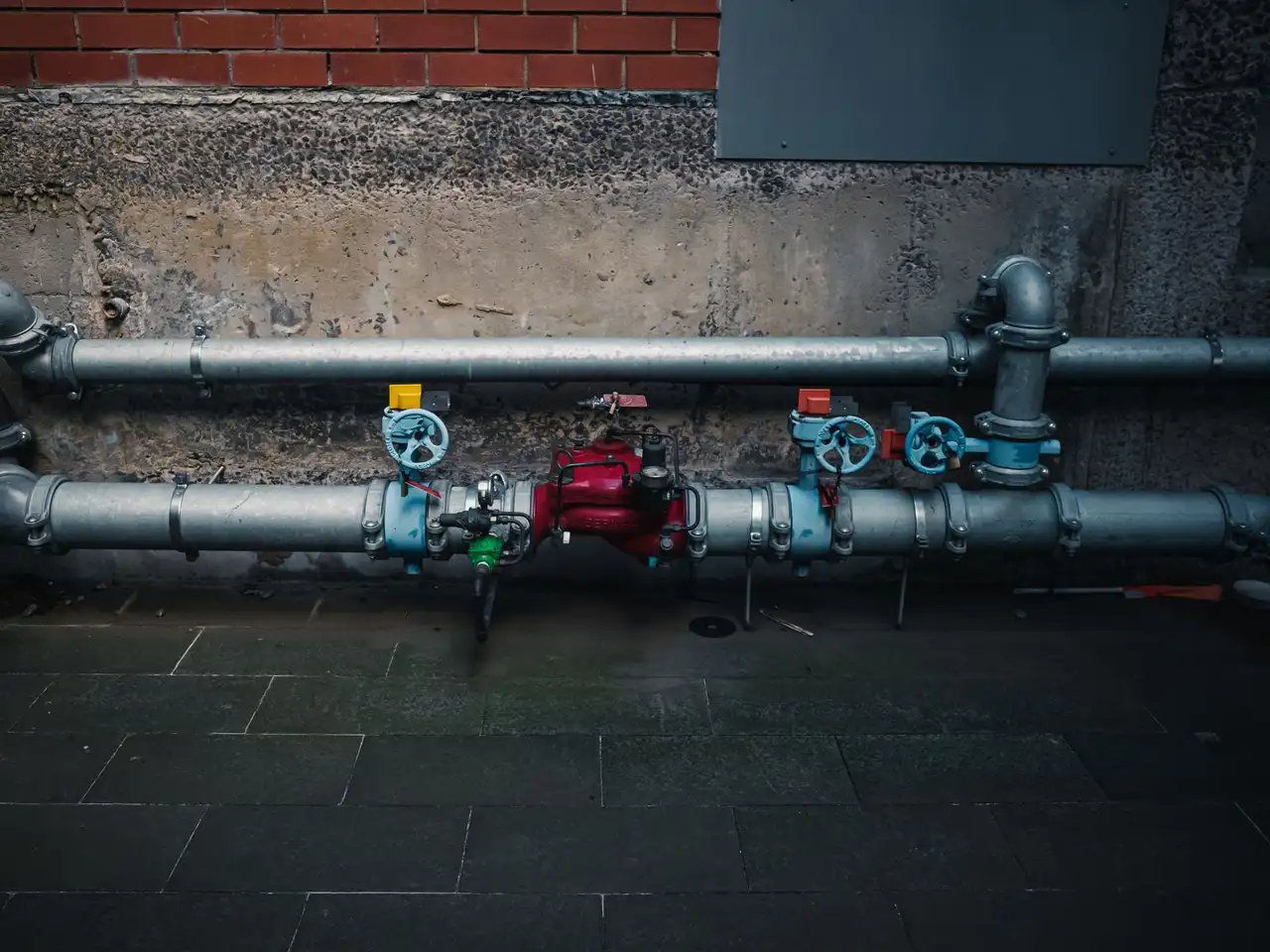
When your basement drain backs up or the toilets gurgle every time the washer runs, you need sewer line cleaning Cincinnati OH homeowners actually trust. We run a pipe camera inspection first, then clear the line with sewer jetting that scours grease, roots, and scale off the pipe walls. We serve Cincinnati, OH and Hamilton County with same-day and 24/7 emergency dispatch.
Useful updates and clear arrival timing.
Review the approach and price before deciding.
Equipped vehicles and respectful cleanup.
Neighbors serving neighbors with follow-through.
Every job includes camera inspection before and after, hydro jetting of the main line, and a walkthrough with footage. If we find a defect that needs repair, we tell you before we leave and quote it in writing. Add-ons like root treatment or cleanout installation are priced separately and only if you approve them.
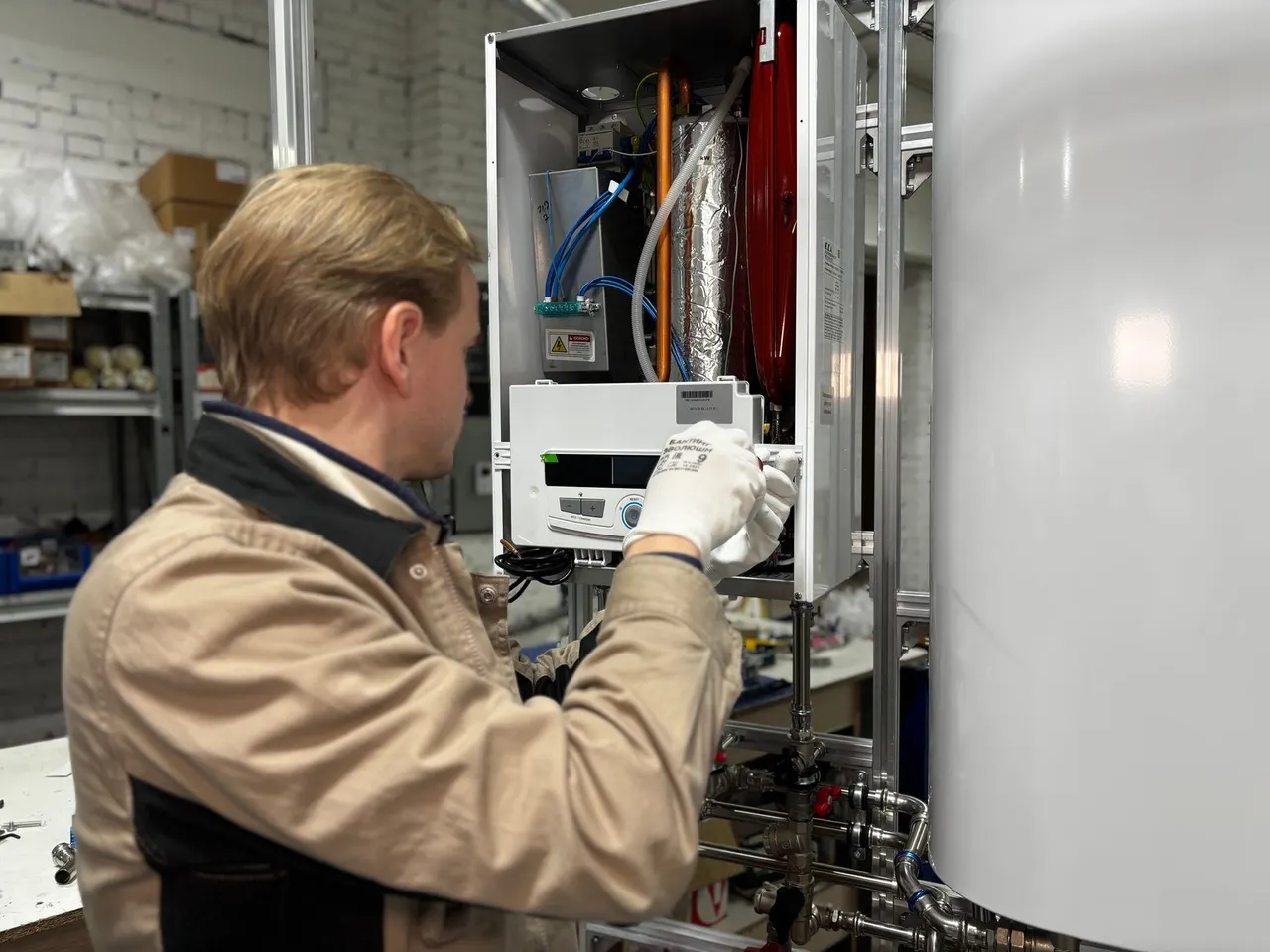
We run a RIDGID pipe camera down the line before jetting to identify the clog and pipe condition, then again after to confirm the line is clean. You watch both passes on our screen and get a copy of the footage.
High-pressure water at 3,000 to 4,000 PSI scours grease, scale, sludge, and roots off the full pipe diameter. We work in stages from the cleanout downstream, adjusting pressure for the pipe material we found on camera.
After jetting, we run every fixture in the house, including the washer and basement floor drain, to confirm the line is flowing. If one fixture still backs up, we camera the branch line to find out why before we call the job done.
A loose or missing cleanout cap is a common source of sewer gas odor in Cincinnati basements. We check the cap, replace it if the threads are stripped, and make sure it seals tight before we leave.
You get the camera footage and a written summary of what we found, including pipe material, defect locations in feet, and any repair recommendation. If the line is healthy, that document is your proof for the next owner or insurer.
If sewage reached your basement floor, we bag the debris, wipe down the affected area, and disinfect it before we pack up. We also reset any toilet we pulled for access with a new wax ring.
Share what is happening and receive a clear next step from the local team.
Sewer line cleaning Cincinnati OH is a high-pressure drain service that scours grease, sludge, roots, and scale off the inside walls of your main sewer line, restoring full flow from the house to the city tap. It is not the same as snaking a bathroom drain. We feed a hydro jetting machine through a cleanout or roof vent, push water at 3,000 to 4,000 PSI, and flush the debris downstream. A pipe camera inspection before and after confirms the line is actually clean, not just punched open.
Most Cincinnati homes we visit are 60 to 120 years old, and the original clay tile or cast iron laterals have taken a beating. Roots from street trees in Hyde Park and Oakley find every hairline crack. Winter grease congeals in cold laterals, and spring storms push groundwater into older lines in Northside and College Hill. If you have been searching for sewer line cleaning near me Cincinnati OH because the laundry tub backs up every few months, that pattern almost always means root intrusion or a bellied pipe, not a simple clog.
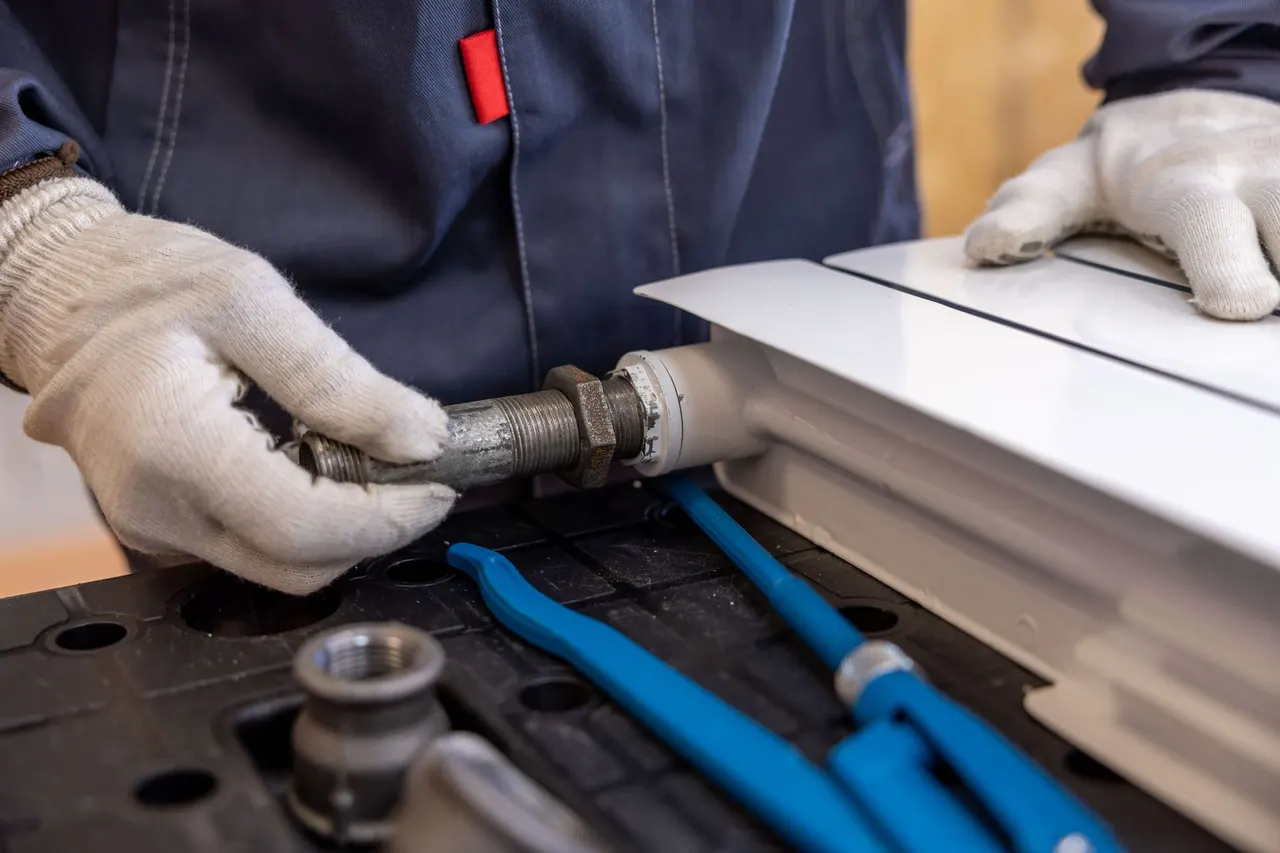
Call 513-827-8348 and we ask three questions: where is the backup, how many fixtures are affected, and do you have a basement floor drain. That tells us whether this is a main line or a branch. We give you a two-hour arrival window, and for active sewage backups we run 24/7 emergency dispatch across Hamilton County.
We find the main cleanout, usually at the front of the house or in the basement floor. If there is no cleanout, we pull a toilet and go through the closet flange, or access the line from the roof vent. Older Cincinnati homes in Price Hill and Westwood often have no cleanout at all, so we plan for that before we start.
Before any water goes in, we run a RIDGID pipe camera down the line. This shows us the clog type, its location in feet, and the pipe material. If we see a collapsed section, a bellied pipe, or a crack, we stop and talk to you about repair options instead of jetting a line that cannot handle the pressure.
We feed the hydro jetting machine hose through the cleanout and work it downstream in stages. Water pressure runs 3,000 to 4,000 PSI with a rear-facing nozzle that pulls the hose forward and a forward jet that cuts the blockage. A typical residential main line takes 45 to 90 minutes depending on length and how much root mass is present.
After jetting, we run the camera again and record the footage. You watch the screen with us. If the line is clean and intact, we flush every fixture to confirm flow, tighten the cleanout cap, and leave you the video. If we found a defect, you get a written repair recommendation with pricing before we leave.
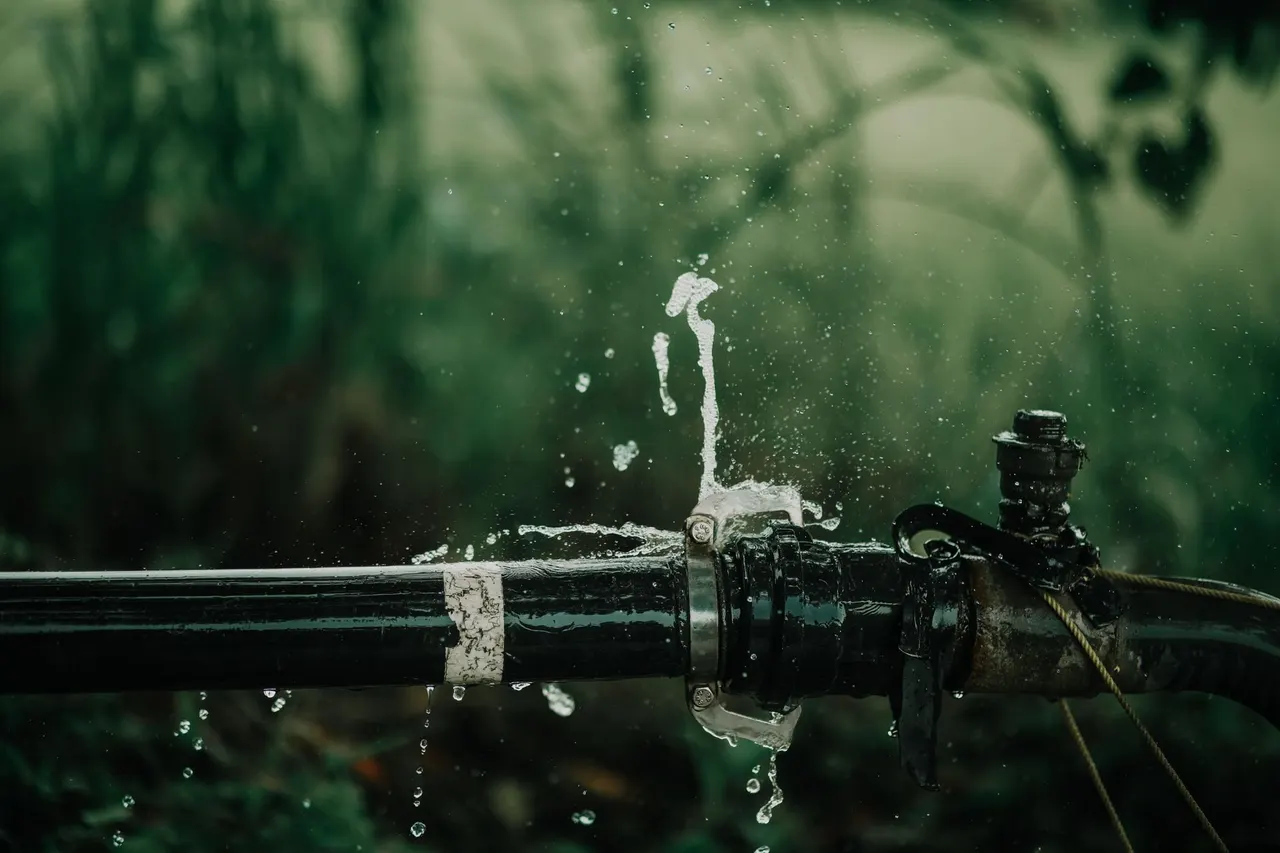
Pushes a self-leveling camera head down the lateral to show clog location, pipe material, and defects in real time. We record footage before and after every jetting job so you have proof of condition.
Delivers water at 3,000 to 4,000 PSI through a hose with a spinning nozzle. The rear-facing jets pull the hose forward while the forward jets cut the blockage and scour the pipe wall.
Used for branch line clogs and for piloting a path through a heavy blockage before jetting. We keep manual and powered augers on the truck for smaller lines where jetting is overkill.
For pulling cleanout caps, resetting toilets, and cutting out damaged pipe sections when a repair is needed on the same visit.
Confirms whether a wet spot in the yard is a sewer leak or a water service leak before we dig, saving you an unnecessary excavation.
Cordless tools for cleanout installation, flange repair, and access work. We use them because they hold up to daily use in the field.
We never jet a line we have not looked at. The camera pass takes about 10 minutes and tells us the pipe material, clog type, and whether there is a collapse or belly that would make jetting dangerous. This one step prevents most of the damage we get called to fix after other companies.
We start at lower pressure and work up, adjusting for pipe material. Clay tile and older cast iron get 3,000 PSI or less; PVC and newer lines can take 4,000. The nozzle type changes too, depending on whether we are cutting roots or scouring grease.
For lines with recurring root intrusion, we apply a foaming herbicide treatment after jetting that kills root tips inside the pipe and inhibits regrowth. It is not a permanent fix, but it typically buys 12 to 24 months between cleanings.
Every cleanout we install and every repair we make follows the Ohio Plumbing Code and Uniform Plumbing Code. For commercial work and multi-family buildings, we pull permits through Hamilton County and coordinate inspections.
That pattern points to a main line blockage, not a branch clog. We camera the line from the cleanout, identify whether it is roots, grease, or a belly, then jet accordingly. Most jobs are done in 90 minutes or less. All fixtures drain at full speed again, and you have camera footage showing the line is clear and intact.
We run a full camera inspection of the lateral from the cleanout to the city tap, document pipe material, joint condition, and any root intrusion or bellies, and jet the line if it needs it before you close. You know exactly what you are buying, and you have a written report you can use to negotiate repairs or budget for a future replacement.
We jet the main line on an off-hours schedule so we do not disrupt service, then set up a recurring maintenance plan based on your grease load. We also check the grease trap connection and the backflow preventer. No more mid-service backups, and a written maintenance record that keeps you compliant with Hamilton County health inspections.
We camera the line to find out why it backed up, jet out any remaining debris, and recommend a root treatment or a backwater valve if the cause was stormwater intrusion. We also check the cleanout cap and vent stack. You go into the next storm season with a verified clean line and a plan to keep it that way.
Cincinnati sits on a mix of hillside neighborhoods and older river flats, and the sewer infrastructure reflects that. Over-the-Rhine, Clifton, and Northside have some of the oldest laterals in the city, many still clay tile from the late 1800s and early 1900s. Those lines have dozens of joints, and every joint is a place where roots can enter. In Hyde Park, Oakley, and Mount Lookout, mature street trees are the main culprit, and we see root intrusion on a large share of the calls we run there. Winter makes it worse: cold laterals cause grease to congeal faster, and the freeze-thaw cycle in January and February opens hairline cracks in clay tile that were stable all summer. Spring storms push groundwater into combined storm and sanitary lines in older parts of the city, which can back up into basements even when your own lateral is clear. We adjust our jetting pressure and nozzle choice based on what the camera shows, not a one-size-fits-all setting. For commercial properties in Downtown Cincinnati and Over-the-Rhine, we schedule jetting during off-hours so we do not disrupt business, and we work with Hamilton County health rules on grease trap connections. If you are searching for main line sewer cleaning Cincinnati or same day sewer cleaning Cincinnati, call 513-827-8348 and we will tell you honestly whether you need a cleaning or a repair.
Many laterals here are original clay tile with dozens of joints. We see heavy root intrusion and occasional Orangeburg pipe, which cannot be jetted at full pressure.
Mature street trees over the lateral make root intrusion the number one cause of backups. Most lines here benefit from an 18-month jetting and root treatment schedule.
Older homes with cast iron laterals that have scale buildup on the pipe wall. Jetting removes the scale, but we camera first to check for cracks.
Mostly PVC laterals from the 1970s and 1980s. Problems here are usually grease or a bellied section from soil settling, not roots.
Steep lots mean laterals with significant grade changes. Bellies and offset joints are common, and we camera the full run before jetting.
Clay tile and older cast iron crack when soil shifts. We see a spike in emergency calls after a hard freeze, usually for lines that were already weakened.
Roots find every joint and crack. Lines in Hyde Park, Oakley, and Clifton need more frequent cleaning and root treatment than newer neighborhoods.
Heavy rain can back up into basements even when your lateral is clear. We recommend a backwater valve for homes in these areas.
Laterals on steep lots develop bellies and offset joints over time. Camera inspection is essential before jetting to avoid damaging a fragile pipe.
A homeowner in Hyde Park had backed-up laundry drains every three months for two years. Two previous companies snaked the line and told him it was fixed. Camera inspection showed a root mat at the 42-foot mark, filling about 70 percent of the pipe diameter.
We jetted the line at 3,000 PSI with a root-cutting nozzle, then ran the camera again. The pipe was back to full diameter with no visible damage. We applied a foaming root treatment and set him up on an 18-month schedule. No backups in 14 months.
Maintenance: Foaming root treatment every 18 months, plus a camera check at each visit. If root regrowth accelerates, we will quote a trenchless liner.
A restaurant on Vine Street had kitchen drains backing up during Friday dinner service. The grease trap was being pumped, but the main line had years of hardened grease on the pipe wall, narrowing it to about half its original diameter.
We jetted the line at 4,000 PSI with a grease-cutting nozzle during off-hours, then camera-verified the pipe was back to full diameter. We set up a quarterly jetting schedule and checked the grease trap connection. No backups in the following 12 months.
Maintenance: Quarterly hydro jetting and grease trap inspection. We coordinate with the health inspector's records so the restaurant stays compliant.
A Price Hill homeowner had no cleanout on a 1920s clay tile lateral. Every backup required pulling a toilet to access the line, and the closet bend was starting to crack from repeated snaking. Backups happened three to four times a year.
We installed a two-way cleanout at the front of the house, tied into the lateral with a wye fitting, then jetted the full line from the new access point. Camera showed a minor belly at 60 feet but no collapse. Backups stopped completely.
Maintenance: Annual camera check to monitor the belly. If it worsens, we will quote a spot repair before it becomes a full replacement.
Most main line calls fall into a handful of patterns. Here is what we see most often and how we handle it.
Roots enter at every joint, form a mat, and catch grease and paper until the line closes off completely. Backups go from occasional to weekly, and the pipe can eventually crack from root pressure. We jet the roots back to the pipe wall at controlled pressure, then camera the line to check for damage. For lines with recurring root problems, we apply a foaming root treatment that inhibits regrowth for 12 to 24 months. Most Cincinnati customers on a treatment schedule go two years between cleanings instead of two months.
Grease cools and hardens on the pipe wall, narrowing the diameter a little more each year. The line drains fine until it does not, and then every fixture in the house backs up at once. Hydro jetting at 3,500 PSI with a spinning nozzle scours grease off the full pipe wall, not just a channel through the middle. We follow with a camera pass to confirm the pipe is back to its original diameter. For restaurants, we set up a maintenance schedule so the line never reaches the point of backup.
A bellied section holds water and debris permanently, so the line clogs there over and over no matter how many times it is snaked. Left alone, the belly gets worse as soil settles and the pipe sags further. Camera inspection shows us exactly where the low spot is and how deep it sits. If the belly is minor, regular jetting keeps it flowing. If it is severe, we quote a spot repair or a trenchless liner so the pipe holds its grade again. You see the footage and decide.
A collapsed section blocks the line completely and can cause sewage to surface in the yard. Jetting a collapsed pipe makes the problem worse, and snaking it just pokes a hole that closes back up. We camera the line before jetting, so we catch collapses before we do damage. If we find one, we stop and quote a repair, usually a spot replacement in PVC pipe or a trenchless liner. Most Cincinnati lateral repairs are done in a day, with the yard restored.
Without a cleanout, there is no easy access to the main line. Some companies pull a toilet and go through the flange, which risks cracking the closet bend and does not reach the full line. We install a proper two-way cleanout at the front of the house, tied into the lateral with a wye fitting. That gives us full access for jetting today and for every future cleaning. It is a one-time cost that makes every service call after it faster and cheaper.
Our technicians work on Cincinnati laterals every week, from 1890s clay tile in Over-the-Rhine to 1970s PVC in Blue Ash. We hold Ohio plumbing licenses, carry backflow prevention certification, and follow the Ohio Plumbing Code and Uniform Plumbing Code on every job. We run RIDGID and Milwaukee inspection and jetting equipment because it holds up to daily use and gives us footage you can actually read. We know which neighborhoods have combined storm and sanitary lines, where the city tap sits, and how MSD service lines behave after a heavy rain. That local pattern recognition is why we usually know what we are dealing with before the camera even goes in.
We had a backup every spring for three years and two other companies just snaked it. These guys ran a camera first, showed me the root mass at the 40-foot mark, and jetted it out. That was 14 months ago and we have not had a single backup. They left me the video footage on a USB stick.
Sewage came up in the basement floor drain on a Sunday night. I called at 9 p.m. and a tech was here by 10:30. He found the cleanout, jetted the line, and disinfected the floor before he left. Flat price quoted on the phone, and that is exactly what I paid.
We manage six older buildings with clay tile laterals, and roots are a constant fight. This crew set us up on an 18-month jetting schedule with root treatment. Emergency calls dropped from about eight a year to one. They know these old Cincinnati lines and they do not try to sell you a replacement you do not need.
Most residential main line cleaning in Cincinnati runs $275 to $650 in 2026, including camera inspection. Simple clogs near the cleanout land at the low end. Heavy root intrusion, long laterals over 100 feet, or a line with no existing cleanout push the price up. We quote flat before we start, so the number you hear on the phone is the number on the invoice.
Every 18 to 24 months if you have known root intrusion or a mature street tree over the lateral. Otherwise, most Cincinnati homes go 3 to 5 years between cleanings, or never, if the pipe is PVC and in good shape. If you are calling us twice a year for the same backup, the line needs repair, not another cleaning.
Yes. Hydro jetting is our standard method for main line cleaning, not an upsell. We run 3,000 to 4,000 PSI through a RIDGID jetting machine with a spinning nozzle that scours the full pipe diameter. For fragile clay tile or older cast iron, we reduce pressure and confirm condition with the camera first.
Multiple slow drains at once, gurgling toilets when the washer drains, sewage smell in the basement, water backing up in the floor drain, or a wet spot in the yard over the lateral. Any two of those together usually means a main line blockage. Call 513-827-8348 and we will camera the line to confirm.
Not seeing your question? Our local team can help you understand urgency, scheduling and what to expect.
Ask the local team
Active sewage backup at 2 a.m. is an emergency. We dispatch 24/7 across Cincinnati with jetting equipment on the truck, so we can clear the main line on the first visit instead of scheduling a return trip.
View service
Most of our sewer line cleaning Cincinnati OH work is on single-family homes. We handle the full system, from the fixture traps to the city tap, so one crew can diagnose a backup and fix the root cause.
View service
Restaurants in Over-the-Rhine and Downtown Cincinnati produce heavy grease loads that clog mains fast. We jet on a maintenance schedule and use backflow prevention certification to keep your line compliant with Hamilton County health rules.
View service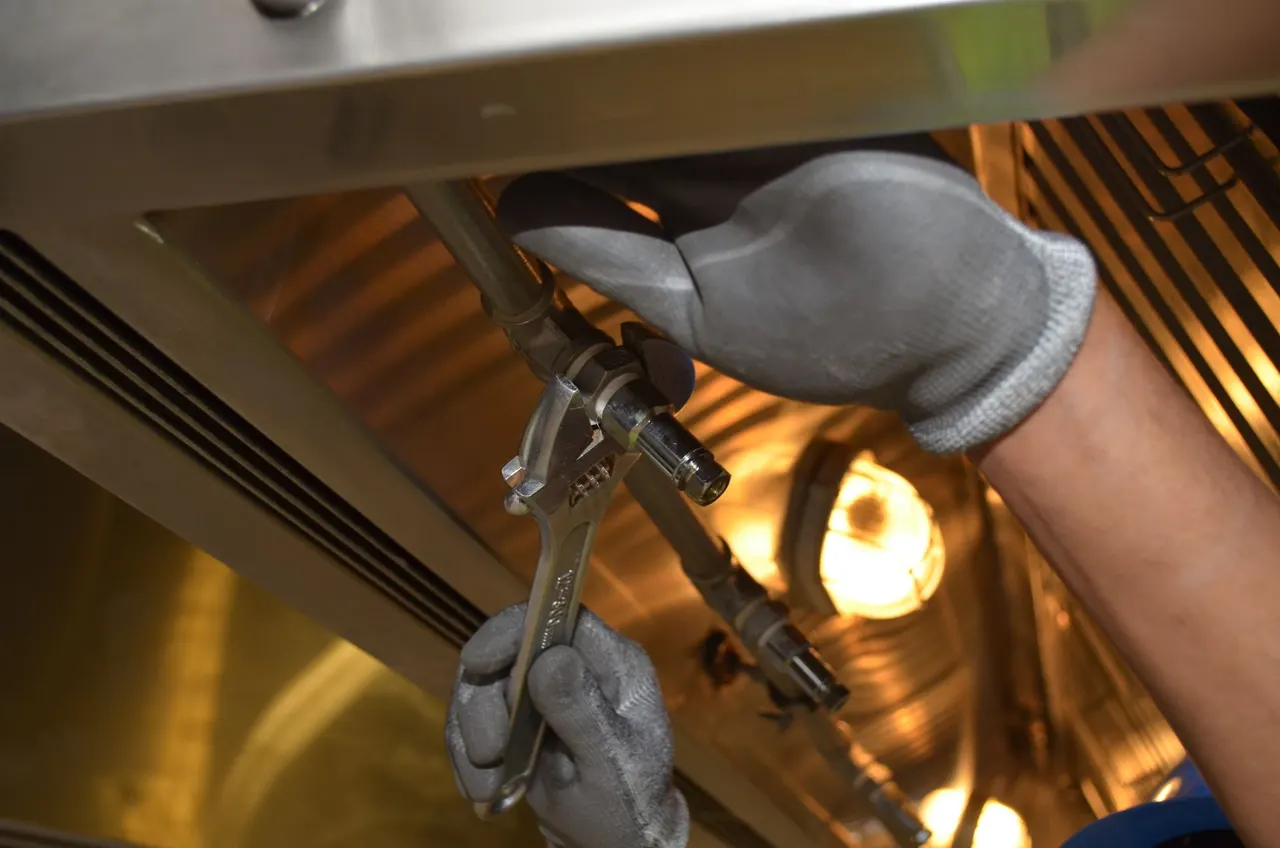
If camera inspection turns up a cracked fitting, a broken cleanout, or a failed wax ring after we pull a toilet, we repair it on the same visit. No waiting a week for a second crew to come back.
View service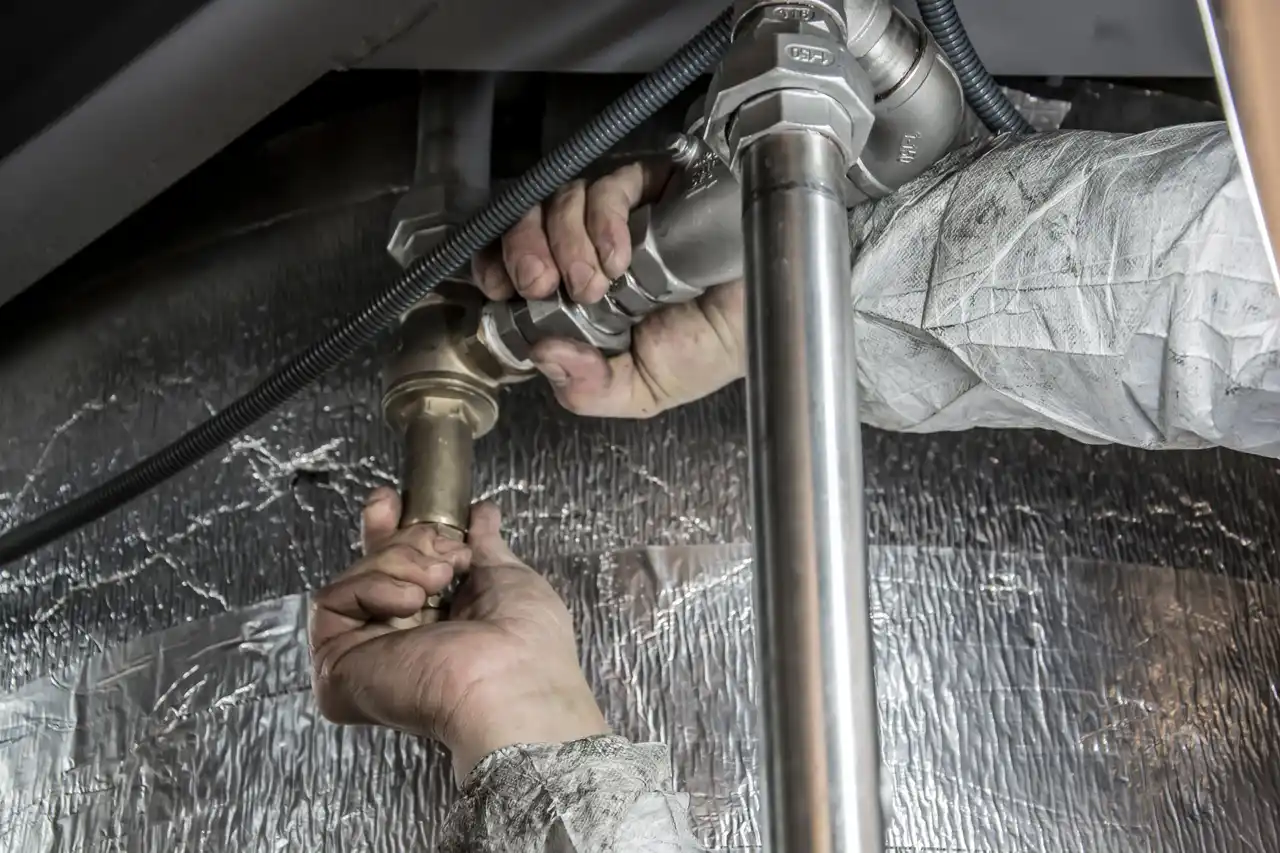
Call us at 5138278348 any time, day or night. We answer emergency calls 24/7 and schedule regular service calls Monday through Friday. If you prefer email, reach us at info@emergencyplumbercincinnatipros.com and we'll get back to you the same day.