Focused arrival windows
Useful updates and clear arrival timing.

When old pipes start leaking, rattling, or turning your water brown, pipe replacement Cincinnati OH homeowners trust is a phone call away. We replace galvanized, polybutylene, and failing copper lines with PEX or new copper built to Ohio Plumbing Code. Whether you own a 1920s bungalow in Northside or a newer build in Mason, we handle the whole job, from the first cut to the final pressure test.
Useful updates and clear arrival timing.
Review the approach and price before deciding.
Equipped vehicles and respectful cleanup.
Neighbors serving neighbors with follow-through.
Every pipe replacement job we run in Cincinnati includes the same core scope. You get the full system, not a patch. If something outside this list is needed, like a new main shutoff or a water heater swap, we quote it upfront so there are no mid-job surprises.
We remove every failing supply line from the main shutoff to the last fixture and install new PEX tubing or copper pipe sized to your home's demand. Typical homes get 40 to 120 feet of new line.
All work is built to Ohio Plumbing Code and Uniform Plumbing Code standards. We pull the permit and schedule the Hamilton County inspection so the job is documented and insurable.
We pressure-test the new system at 100 psi for at least 30 minutes, then flush every fixture to clear solder debris and sediment before we close any walls. You get a written test report.
We cut the smallest access holes possible, then patch them when the job is done. Paint touch-up is on you, but the walls are closed and smooth when we leave.
We remove all old galvanized, polybutylene, or copper pipe from the property and dispose of it properly. No pile of scrap in your yard or garage to deal with later.
You get a labeled shutoff map for the new system and a 5-year labor warranty document. If a joint we made fails, we come back and fix it at no charge.
Share what is happening and receive a clear next step from the local team.
Pipe replacement Cincinnati OH is the full removal and reinstallation of your home's water supply lines, not a patch on one bad section. We cut out the old galvanized steel, polybutylene, or corroded copper, then run new PEX tubing or copper pipe through the same chases and walls. Every joint gets soldered or crimped to spec, every line gets pressure-tested before the drywall goes back, and the whole system is flushed and inspected. Most homes need 40 to 120 feet of new supply line, depending on layout and fixture count.
Cincinnati's older housing stock is the main reason we get called. Neighborhoods like Clifton, Avondale, and Price Hill are full of homes built between 1900 and 1955 with galvanized pipe that has rusted from the inside out. That rust narrows the pipe, drops your water pressure, and eventually causes pinhole leaks behind walls. If you are searching for pipe replacement near me Cincinnati OH because your water runs brown or your pressure has dropped, the pipes are usually the culprit, not the fixtures.
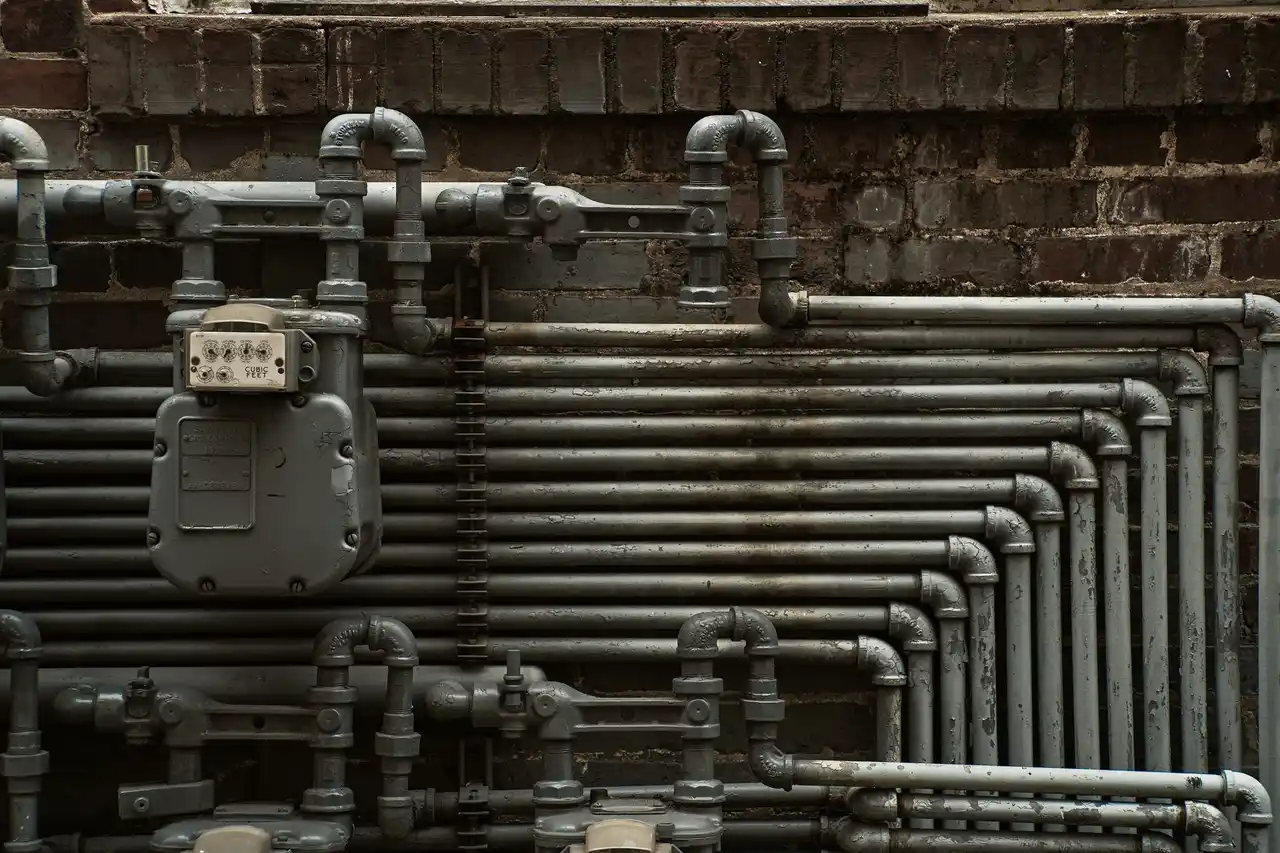
We run a pipe camera inspection and pressure test to map every line and find the failure points. You get a written scope with pipe material, footage, and fixture count. This usually takes 60 to 90 minutes.
We price the job by the foot and by the fixture, not by the hour. You see the material list (PEX or copper, brass fittings, SharkBite connections where code allows) and the total before we cut anything. No surprise add-ons mid-job.
We shut off the main, drain the system, and cut out the old pipe. In a typical 1,800-square-foot home this takes one to two days. We protect floors, contain dust, and keep water off except for short test windows.
New lines go in with a tubing cutter, PEX crimping tool, and soldering torch for copper runs. We pressure-test at 100 psi for at least 30 minutes, then flush every fixture to clear debris before we close any walls.
We patch drywall access points, haul away old pipe, and walk you through the system. You get a warranty document and a shutoff map. Most jobs wrap in three to five working days.

Lets us see inside the pipe without cutting walls. We use it to confirm material, find blockages, and map the system before quoting.
Makes the mechanical connections on PEX tubing. Proper crimp pressure is what keeps the joint from leaking at 100 psi.
Used for copper pipe joints. We solder with lead-free solder to meet Ohio Plumbing Code and keep your water safe.
Cuts PEX and copper clean and square. A square cut is required for a proper crimp or solder joint.
Acoustic and pressure tools that pinpoint hidden leaks before we open a wall, keeping the repipe scope tight.
For press-fit copper and PEX connections where soldering is not practical, like tight chases or near combustible framing.
Cuts through old galvanized and cast iron quickly with less vibration, which matters when you are working inside a finished home.
Every repipe is built to the Ohio Plumbing Code and the Uniform Plumbing Code. We size lines per fixture demand, install proper backflow prevention where required, and schedule the Hamilton County inspection so the job is documented.
We quote both PEX tubing and copper pipe on every job. PEX costs less and installs faster; copper lasts longer and handles higher heat. We walk you through the trade-off and let you choose.
After rough-in, we cap the system and pressure-test at 100 psi for at least 30 minutes. Any drop means a leak, and we find and fix it before closing walls.
Where code allows and access is tight, we use SharkBite or press-fit fittings instead of solder. These are rated for the same pressure and pass inspection when installed correctly.
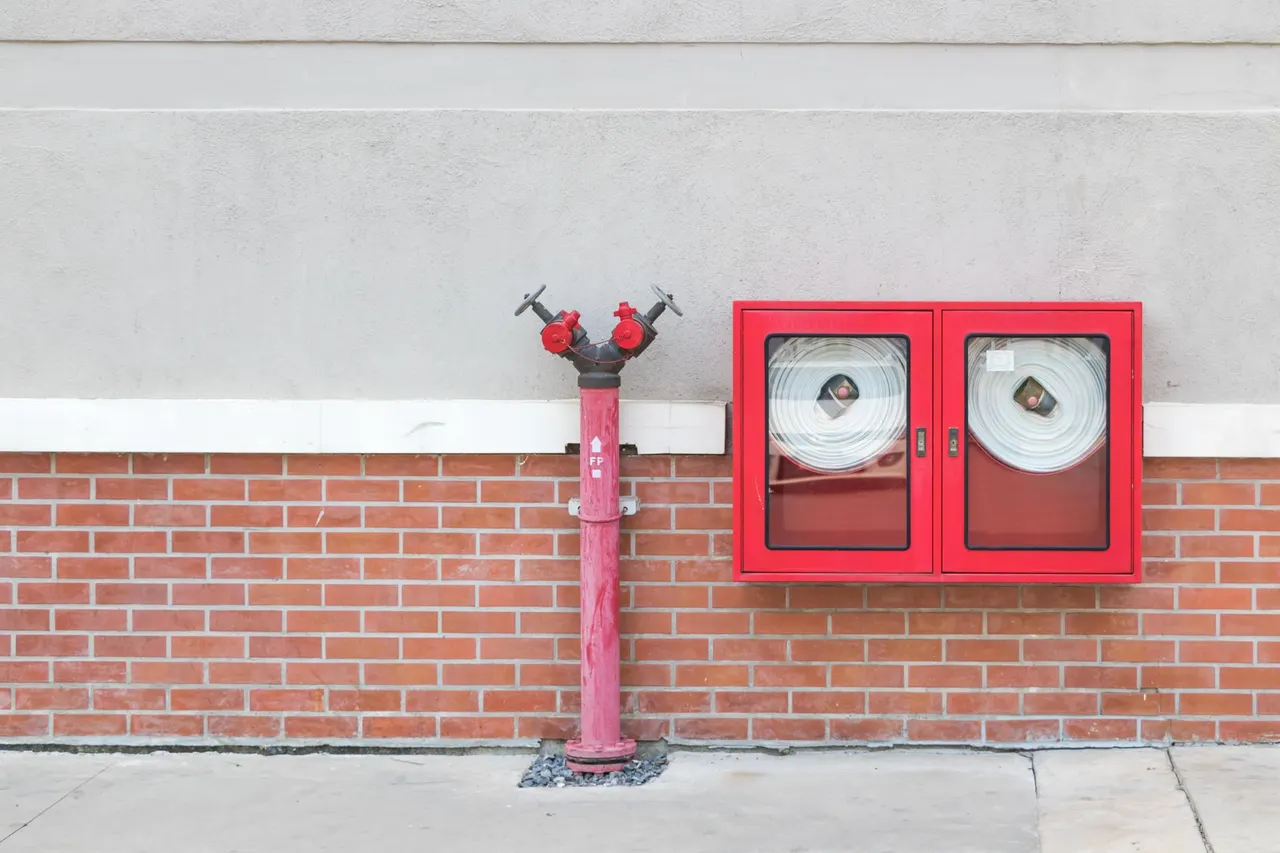
We run a full inspection, map the system, and quote a whole-house repipe with PEX. Job takes four to five days and we keep one bathroom working overnight. You close on the house with a documented repipe, and your insurance company has no reason to blink.
We camera the system and find the copper is failing across multiple runs. We quote a full repipe with new copper pipe and brass fittings, and pull the permit. The leak cycle ends. You stop paying for emergency repairs and stop worrying about the next wall.
We replace all polybutylene with PEX tubing in three days, coordinate with the tenant, and provide documentation for the insurer. Coverage stays in place, the tenant stays happy, and the property is more marketable when you sell.
Our emergency crew shuts off the water, isolates the break, and stabilizes the line. We schedule the full section replacement for the next morning. Water damage is contained, the line is replaced within 24 hours, and the repair is warrantied.
Cincinnati's housing stock is the biggest factor in how we approach a repipe. Homes built before 1960 in neighborhoods like Clifton, Avondale, Price Hill, and Walnut Hills usually have galvanized steel supply lines that have rusted from the inside. Homes built between 1978 and 1995 often have polybutylene, which fails from the inside out and is a known insurance liability. Newer builds in Mason, West Chester, and Anderson Township usually have PEX or CPVC that holds up well but can still fail at fittings. Our winters matter too. Cincinnati sees hard freezes most Januaries, and pipes in exterior walls or unheated crawl spaces are the first to burst. We insulate and route new lines to reduce that risk. If you are comparing repiping cost Cincinnati Ohio quotes, ask whether the price includes permit, inspection, drywall patch, and old-pipe haul-away. Ours does.
Many 1900-1930 homes with original galvanized pipe and plaster walls. We use small access cuts and patch to match.
Mix of older homes and mid-century builds. Copper pinhole leaks are common on streets with aggressive water chemistry.
Historic buildings with shared walls and tight chases. We coordinate with neighbors and the city on access and permits.
Mostly 1980s-2000s builds with polybutylene or early PEX. We replace polybutylene and upgrade to current PEX standards.
Newer construction with CPVC or PEX. Failures here are usually at fittings, not the pipe itself.
Scale builds up inside copper and CPVC over time, reducing flow and stressing joints. We size new lines with extra capacity and recommend a softener where it makes sense.
Pipes in exterior walls and unheated crawl spaces are at risk. We insulate new runs and route them inside the thermal envelope where possible.
Cutting plaster is slower and messier than drywall. We plan access points carefully and patch with matching material.
Repipes require a permit and inspection. We pull the permit and meet the inspector on site so the job is documented and insurable.
Original galvanized supply lines throughout, water pressure under 30 psi at the second-floor shower, two pinhole leaks in the past year, and brown water from the hot tap.
Full repipe with PEX tubing, 40 to 120 feet of new line, pressure restored to 65 psi at every fixture, water runs clear. Job completed in four working days.
Maintenance: Flush the system annually and check the main shutoff each spring. PEX has a 40-plus year service life with no special maintenance.
Three pinhole leaks in 18 months across the kitchen and upstairs bath. Each repair cost $400 to $700 and required cutting drywall. Homeowner was tired of the cycle.
Full copper repipe with new brass fittings and lead-free solder. Pressure-tested at 100 psi for 45 minutes with zero drop. No leaks in 14 months since.
Maintenance: Check for green staining at joints once a year. Copper with proper water chemistry lasts 50-plus years.
Four-unit building with polybutylene supply lines. Insurer sent a non-renewal notice. One unit had a slow leak behind the kitchen wall that had been patched twice.
All polybutylene removed and replaced with PEX in three days. Documentation provided to the insurer, coverage renewed, and the patched leak is gone.
Maintenance: Annual pressure check and a shutoff map posted in each unit. PEX needs no scheduled replacement.
Most pipe replacement calls start with a symptom the homeowner can see or feel. Here are the four we run into most often in Cincinnati, and what happens if you wait.
Rust from galvanized pipe gets into your drinking water, stains laundry, and clogs aerators and appliance screens. We replace the rusted galvanized lines with PEX or copper and flush the system. Water runs clear within a day of the new pipe going in, and your fixtures stop clogging.
Narrowed pipe cannot keep up with demand. Showers go cold, washing machines take forever, and you start avoiding running two things at once. New pipe sized to your home's fixture count restores full flow. We calculate demand per fixture and run the correct diameter line so pressure holds even with the shower and dishwasher going.
Pinhole leaks mean the pipe is failing from the inside. Each one costs a repair call and risks water damage behind walls or under floors. When we see three or more pinhole leaks in a system, we quote a full repipe. It is cheaper than chasing leaks one at a time, and it ends the cycle.
Many insurers refuse to cover homes with polybutylene, or charge a premium. Some will not pay a water damage claim if the pipe is the cause. We remove all polybutylene and replace it with PEX or copper. You get documentation for your insurer, and the liability goes away.
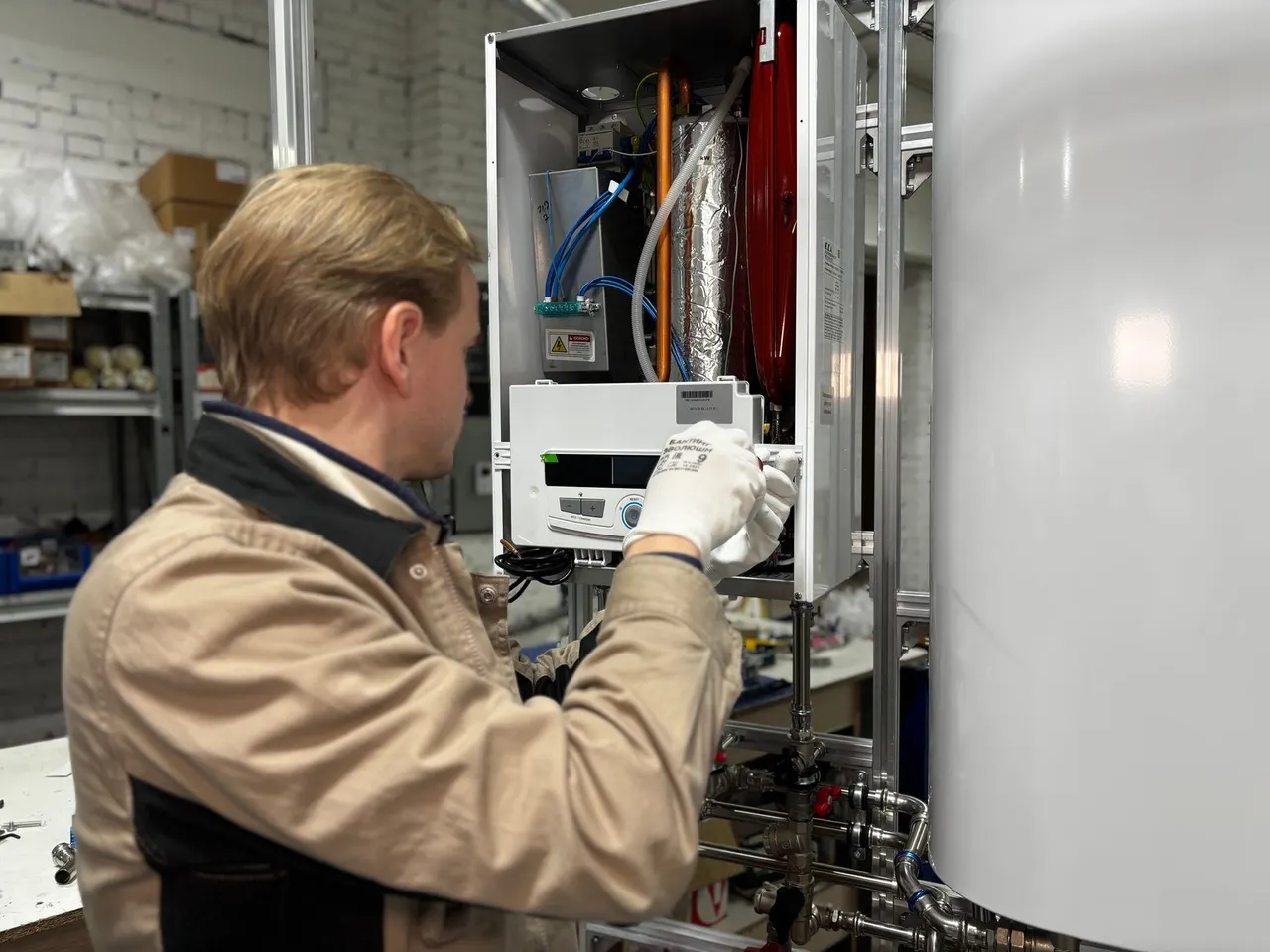
Our 1928 house had galvanized pipe that was rusting through. Water pressure was terrible and we had two pinhole leaks in one year. The crew repiped the whole house in four days with PEX. Pressure is night and day better, and they patched the drywall clean. Worth every dollar.
We had polybutylene pipe and our insurance company flagged it. Got three quotes and these guys were the only ones who explained the material options in plain English. Job took five days, they kept one bathroom working the whole time, and the price was exactly what they quoted.
I manage a four-unit building and had a slab leak in one unit. They found it with a camera, isolated the bad section, and replaced the failing copper runs without tearing up the whole floor. Rented again in a week. I have used them twice since.
Most Cincinnati homeowners pay $4,500 to $12,000 for a whole-house repipe in 2026, or $350 to $900 for a single-section replacement. Cost depends on home size, pipe material (PEX costs less than copper), access difficulty, and whether drywall repair is needed. We give you a flat written quote before any work starts.
Replace them when you see brown water, falling pressure, or repeated pinhole leaks, and always replace galvanized steel or polybutylene regardless of how it looks. Galvanized pipe has a 40 to 50 year lifespan; polybutylene fails from the inside out and is a known insurance liability. If your home was built before 1960, get an inspection.
Yes. Whole house repiping is our most common pipe replacement service in Cincinnati. We replace every supply line from the main shutoff to the last fixture, usually in three to five working days. You get a shutoff map, a pressure-test report, and a 5-year labor warranty on the new system.
A single-section replacement takes two to four hours. A full repipe of an average 1,800-square-foot Cincinnati home takes three to five working days, with water off for most of that window. We schedule around your routine and can stage the work so you keep one working bathroom overnight.
Not seeing your question? Our local team can help you understand urgency, scheduling and what to expect.
Ask the local team
When a pipe bursts at 2 a.m. in Hyde Park or Oakley, our emergency crew shuts off the water, isolates the break, and stabilizes the line before scheduling the full pipe replacement Cincinnati OH work.
View service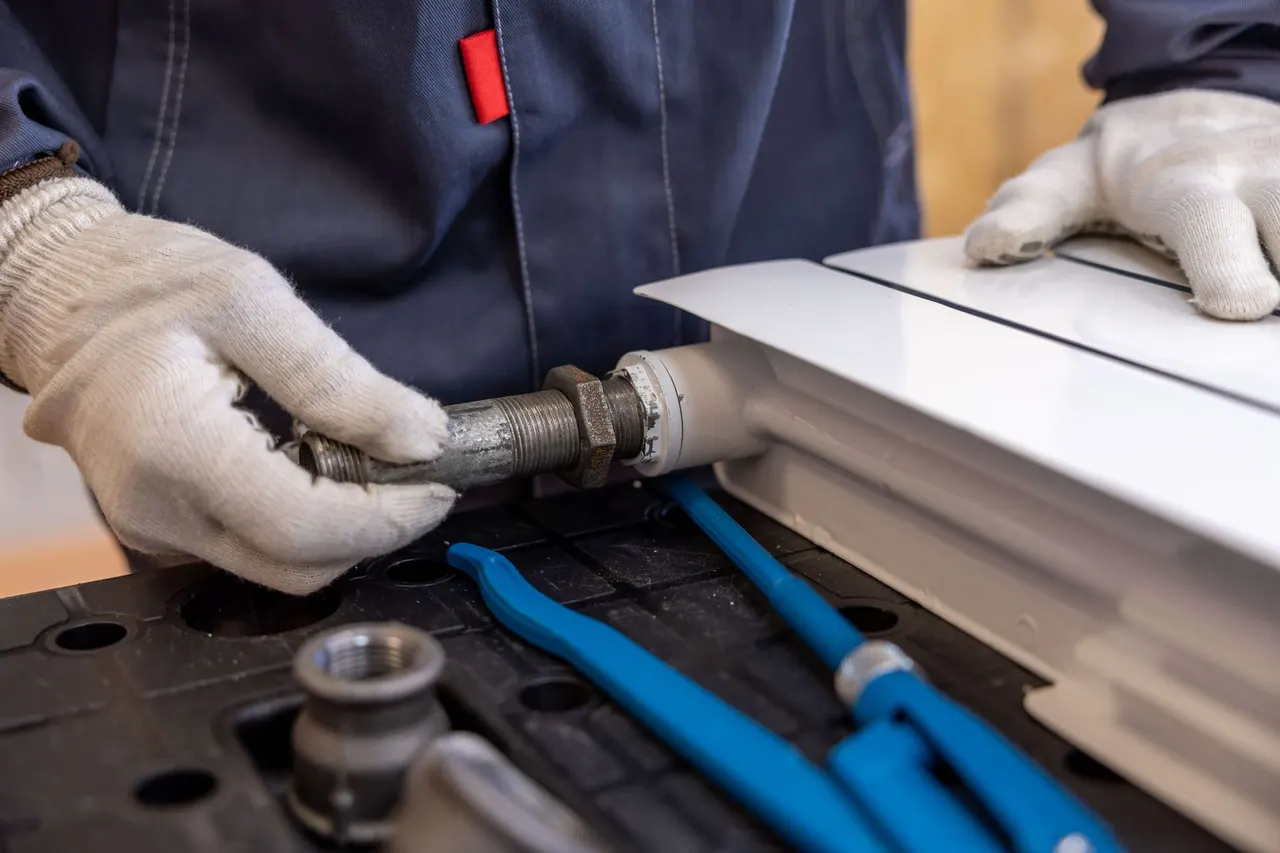
Pipe replacement is the biggest residential job we do, but it is not the only one. From running new supply lines for a kitchen remodel to swapping a failing water heater, we handle the whole house.
View service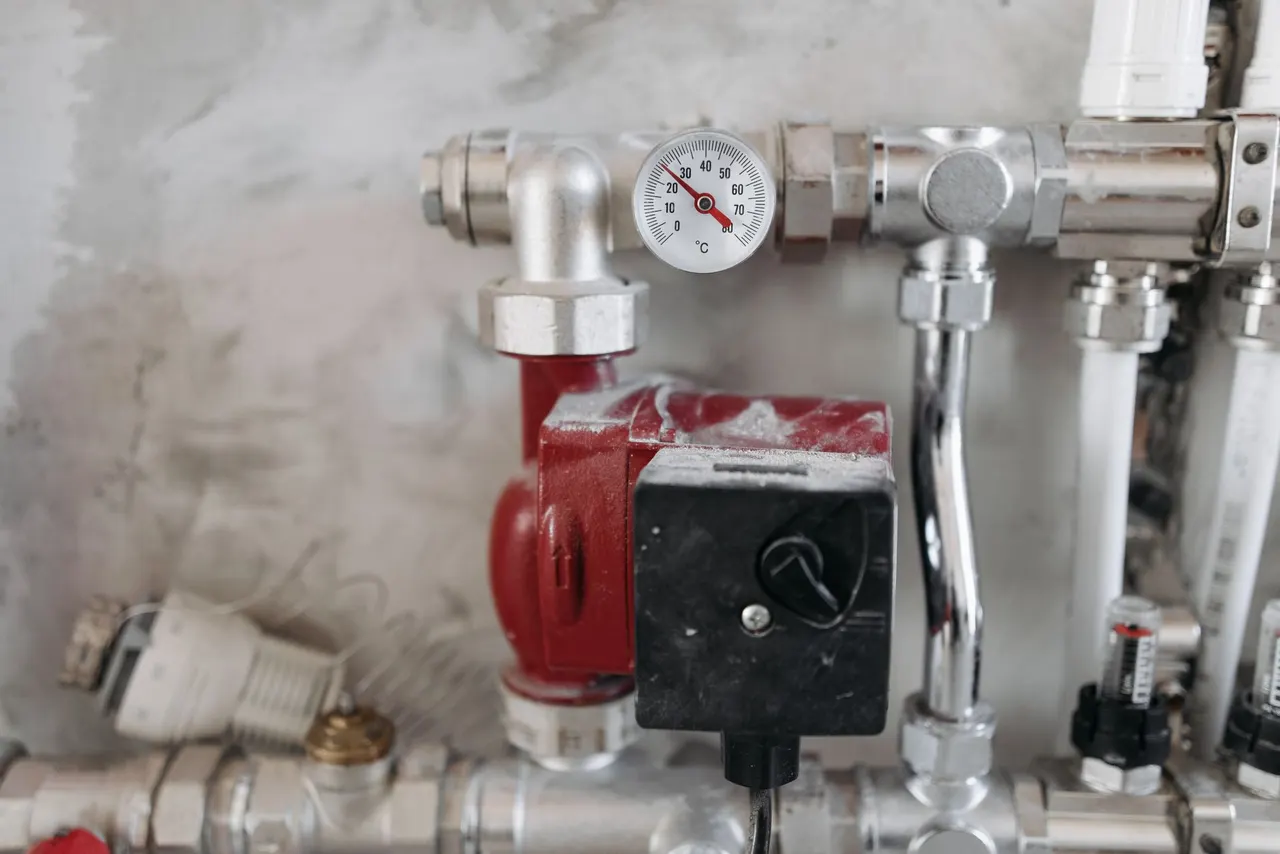
Restaurants, salons, and small offices in Downtown Cincinnati and Over-the-Rhine need repiping too. We work after hours to keep your business open while we replace failing supply and drain lines.
View service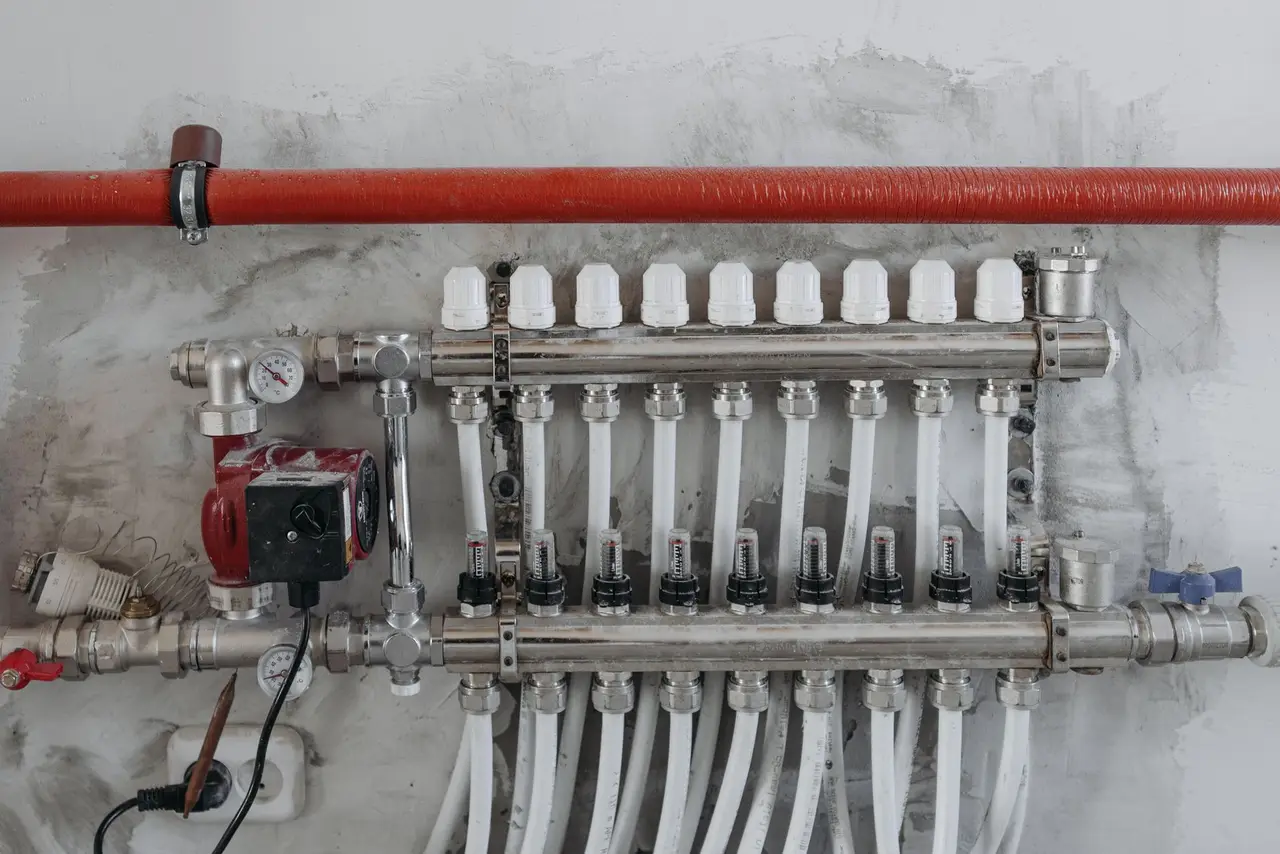
Not every leak needs a full repipe. If a single joint or short run has failed, our repair techs fix it fast and tell you honestly whether the rest of the system is worth keeping.
View service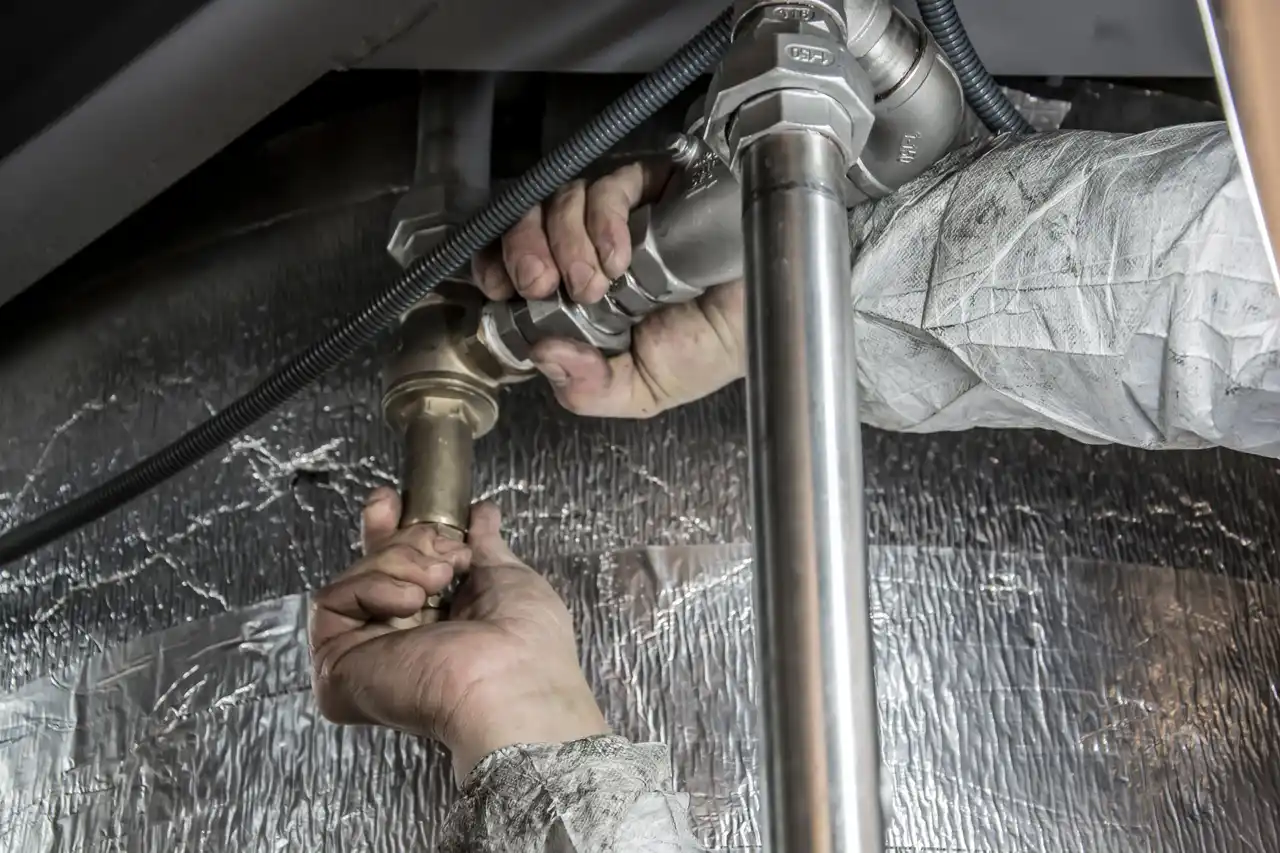
Call us at 5138278348 any time, day or night. We answer emergency calls 24/7 and schedule regular service calls Monday through Friday. If you prefer email, reach us at info@emergencyplumbercincinnatipros.com and we'll get back to you the same day.