Focused arrival windows
Useful updates and clear arrival timing.
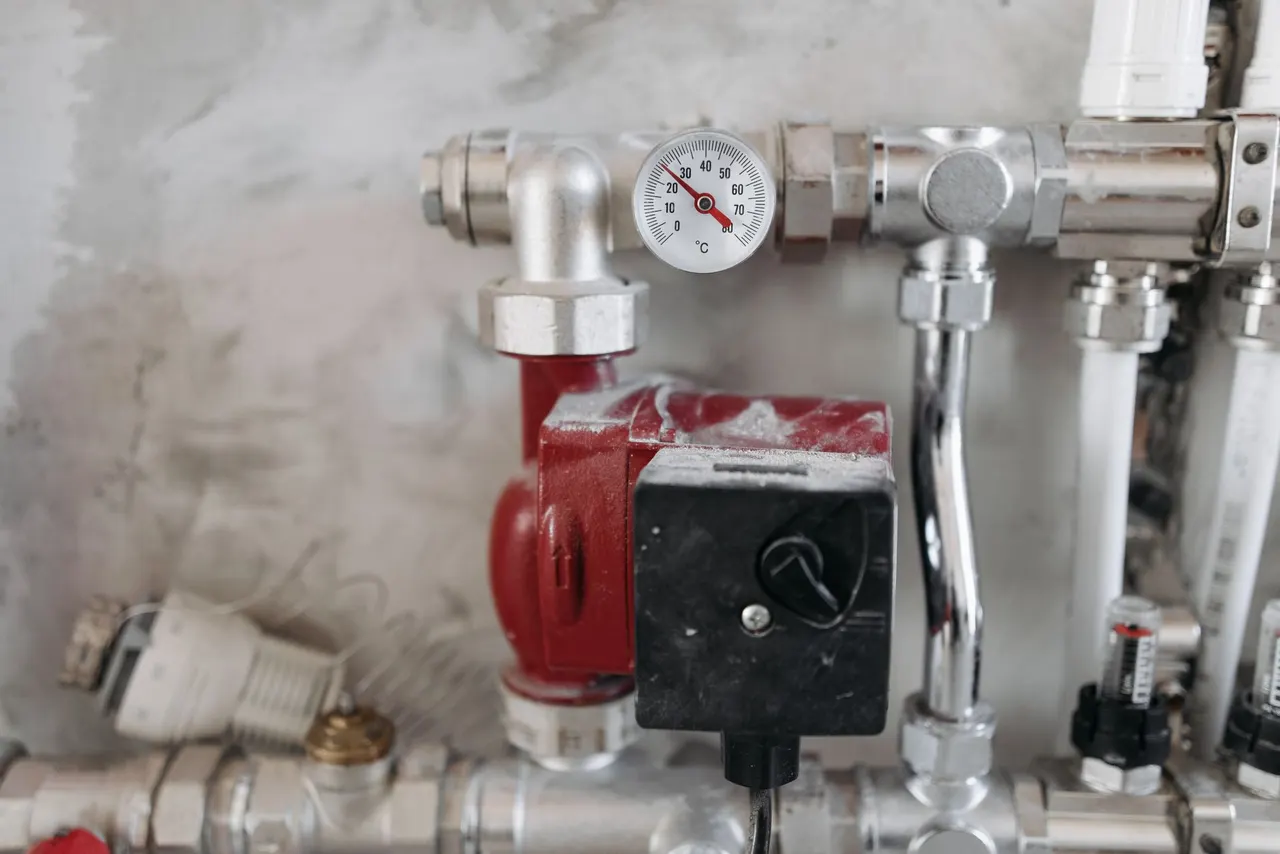
When a pipe lets go, every minute counts. Our pipe repair Cincinnati OH team handles burst copper, cracked PVC, and leaking PEX in homes and businesses across Hamilton County. We stock the fittings, run leak detection equipment, and pressure-test the line before we leave, so you are not calling us back next week. One call gets a licensed plumber to your door, usually the same day.
Useful updates and clear arrival timing.
Review the approach and price before deciding.
Equipped vehicles and respectful cleanup.
Neighbors serving neighbors with follow-through.
Every pipe repair Cincinnati OH job we run includes the diagnosis, the repair itself, and the testing that proves it holds. Here is what is covered on a standard call, and where the scope can grow.
We use leak detection equipment and pipe camera inspection to find the failure point before we open anything. You get a clear explanation of what failed and why, not just a patch over the symptom.
We cut out the damaged pipe and fit new copper, PEX tubing, CPVC, or PVC to match the existing system. Fittings, solder, Teflon tape, and couplings are included in the quoted price.
Before we close anything up, the repaired line gets pressurized and watched. If the gauge moves, we keep working until it holds. This is the step that catches a second weak joint before it becomes tomorrow's emergency.
We test the shutoff valve serving the repaired line. A valve that will not close is a problem waiting to happen, and we will quote a replacement on the spot if it is worn.
We haul out debris, wipe down surfaces, and leave the space ready for drywall or flooring repair if that is needed. You should not have to clean up after us.
Our workmanship warranty is documented on the invoice, alongside the manufacturer warranty on the pipe and fittings we installed. If a joint we made fails, we come back at no charge.
Share what is happening and receive a clear next step from the local team.
Pipe repair Cincinnati OH is the diagnosis, cutting, fitting, and testing work that restores a damaged water, drain, or supply line to full pressure and code. It covers everything from a pinhole leak in a copper pipe behind a Hyde Park kitchen wall to a cracked PVC drain under a Westwood basement slab. We start with pipe camera inspection or acoustic leak detection to find the actual failure point, then cut out the bad section, solder or crimp in new material, and pressure-test before closing anything up.
Cincinnati plumbing takes a beating. Winters drop into the teens and single digits, which freezes and splits supply lines in unheated crawlspaces and garages. Older neighborhoods like Northside and Price Hill still run original galvanized and copper that has been patched for decades. Tree roots push into clay sewer laterals after every wet spring. If you have been searching for pipe repair near me Cincinnati OH because water is pooling under the sink or the meter is spinning with everything off, that is exactly the call we take.
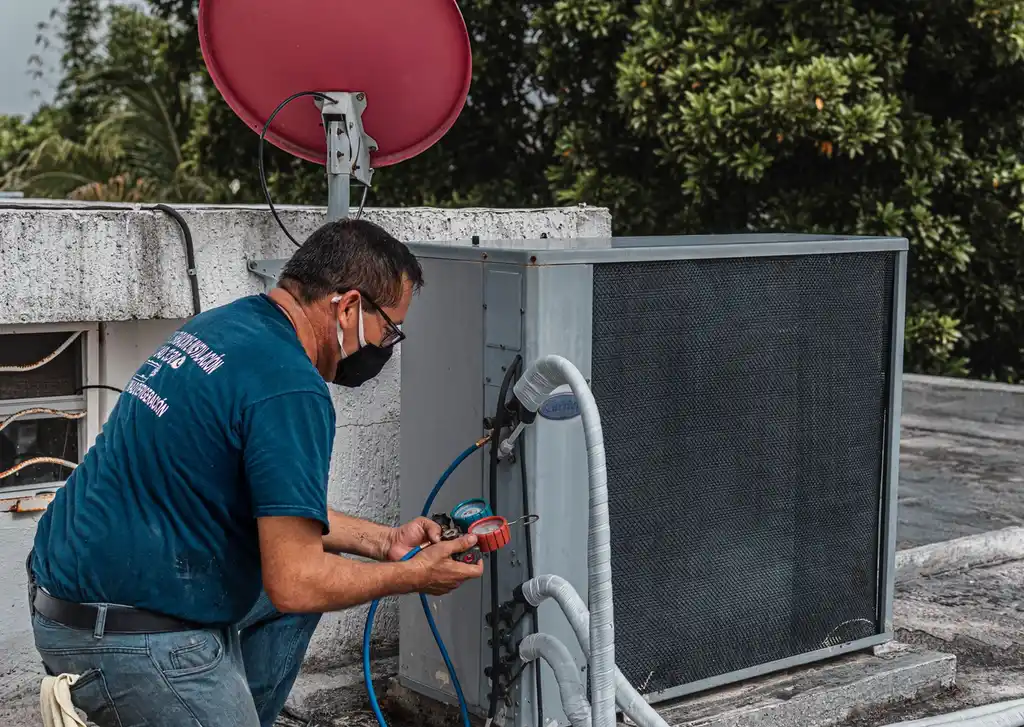
We ask where the water is, whether the main shutoff is closed, and what kind of pipe you have. That tells us whether to send an emergency truck or schedule a standard visit, and it lets us walk you through shutting off the supply so the damage stops before we arrive.
A licensed plumber walks the line, checks the meter, and uses leak detection equipment or a pipe camera to find the failure point. Most diagnoses take 20 to 40 minutes. You get a flat price before any cutting starts, not an hourly estimate that grows.
We cut out the damaged section and fit new copper, PEX tubing, or PVC pipe with brass fittings and the right couplings. A simple joint repair runs one to two hours. A slab leak or buried line can run most of a day. We tell you which before we start.
Before anything gets closed up, we pressurize the line and watch the gauge. If it holds, the repair is sound. If it drops, we find the second leak now instead of after the drywall goes back. This step is why our callbacks are rare.
We clean the work area, restore water, and walk you through what we did and what to watch for. You get the invoice, the warranty terms, and a straight answer on whether the rest of the line is worth replacing soon.
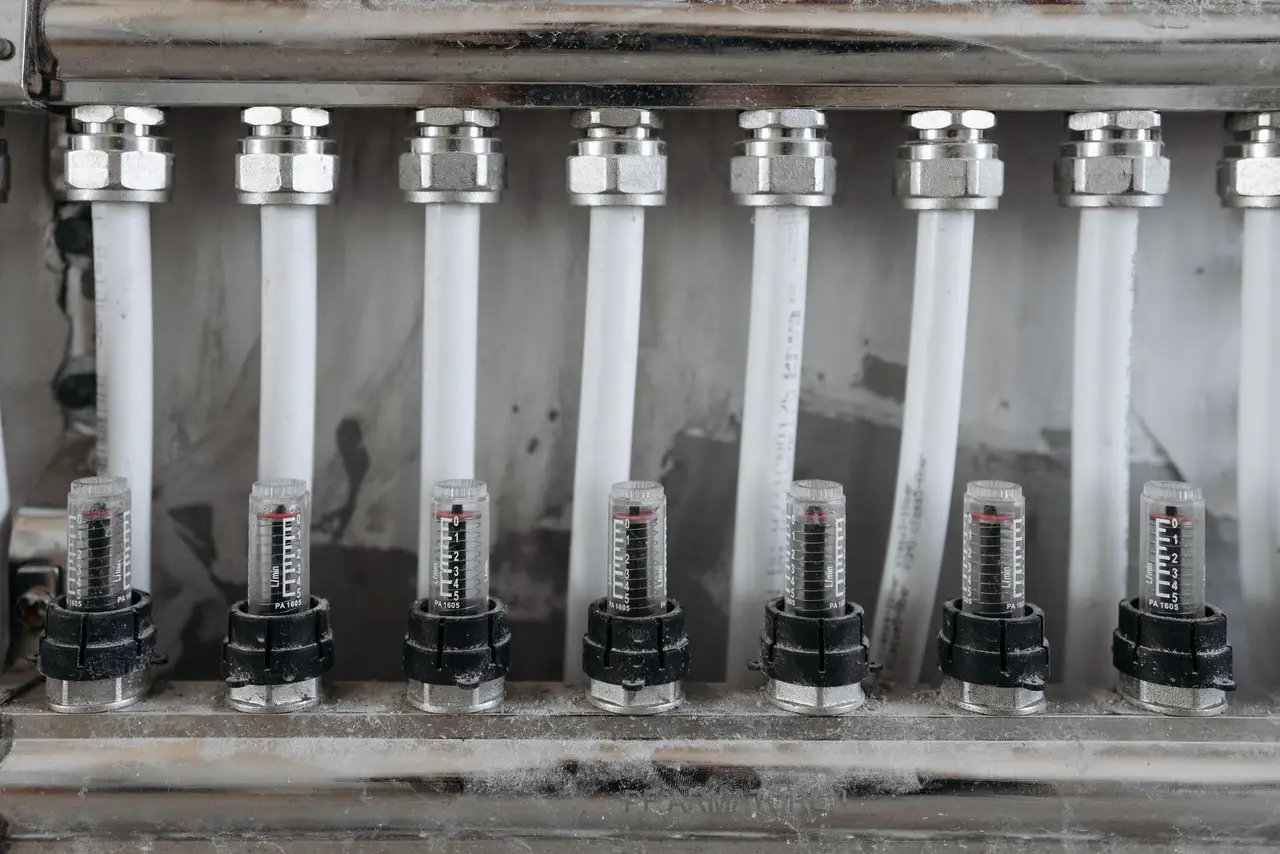
Lets us see inside drain and sewer lines without digging. We use it to confirm the failure point, check for root intrusion, and verify the repair after the work is done.
Acoustic and electronic sensors that pinpoint hidden leaks in walls, under slabs, and in buried lines. This is how we avoid tearing out a whole wall to find one pinhole.
Our vans carry RIDGID drain snakes and augers plus Milwaukee cordless tools for cutting and fitting. Reliable tools mean fewer trips back to the truck and faster repairs.
Copper repairs get soldered to code with lead-free solder. PEX repairs get crimped with a calibrated crimping tool so every joint meets the manufacturer's spec.
Used for fast emergency isolation and for repairs where soldering is not safe, like near a stud bay with limited clearance. They are code-approved and reliable when installed correctly.
Clean square cuts are the foundation of a leak-free joint. We cut with a tubing cutter, not a hacksaw, and use a pipe wrench to hold back on old fittings without stressing the line.
High-pressure water clears grease, scale, and roots from drain and sewer lines. We jet the line before camera inspection so we can see the pipe wall clearly.
After every repair, we pressurize the line and watch the gauge for a set period. If pressure holds, the joint is sound. If it drops, we keep looking. This single step is why our callback rate is low.
Every repair is made to the Ohio Plumbing Code and the Uniform Plumbing Code. That covers material selection, joint methods, support spacing, and protection from freezing. Code-correct work protects you at resale and at claim time.
On drain and sewer repairs, we run the camera after the work is complete to confirm the line is clear, the joint is smooth, and the slope is right. You see the footage before we call the job done.
We match the repair material to the existing system, whether that is copper pipe, PEX tubing, PVC pipe, or CPVC pipe. Mixing materials without the right transition fitting causes corrosion and premature failure.
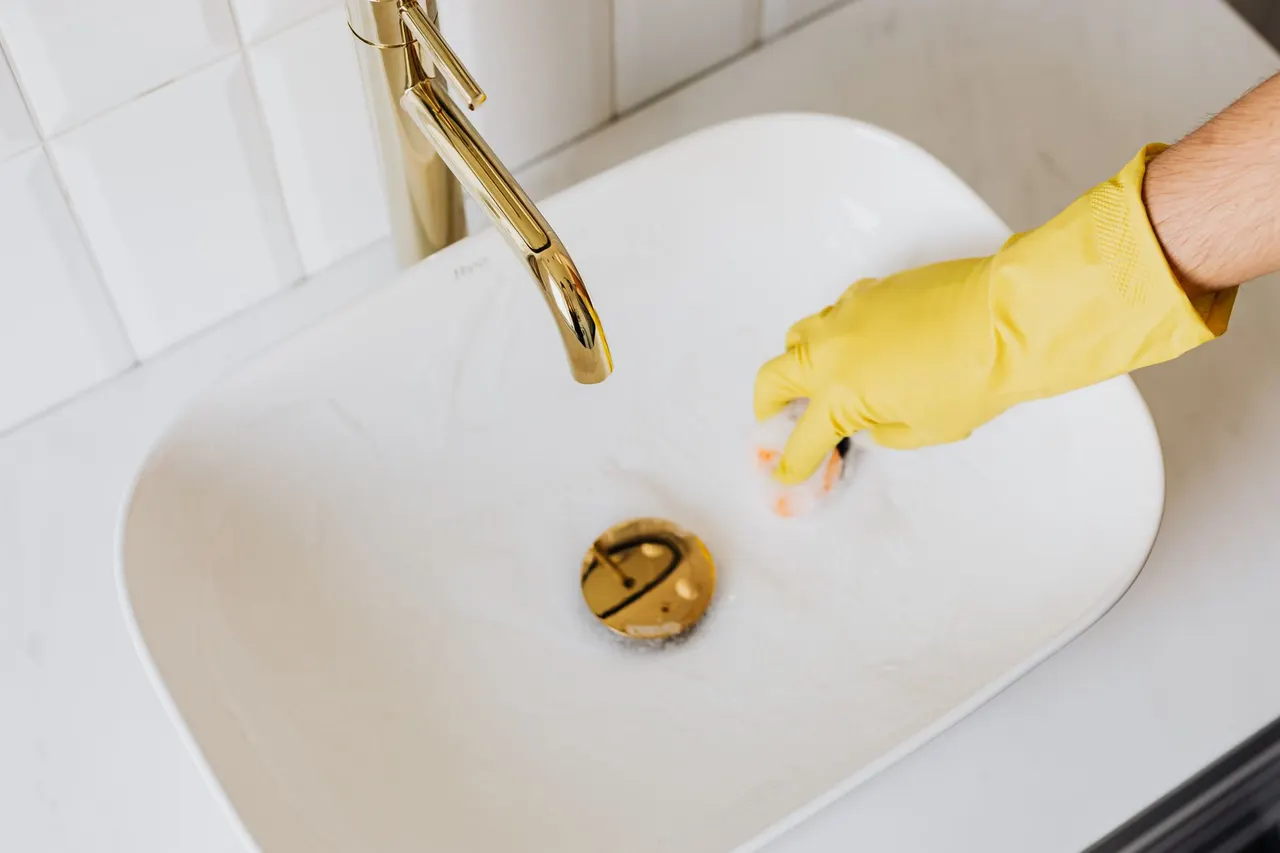
We dispatch an emergency plumber, talk you through shutting off the main, and get a truck to your Cincinnati address fast. The plumber isolates the failed section, cuts it out, and fits new pipe on the spot. Water is stopped, the pipe is repaired, and the space is dry enough to start cleanup the same day.
We run leak detection equipment across the supply system and use a pipe camera where needed to find the hidden failure. Once located, we repair the section and confirm the meter stops spinning with everything off. The hidden leak is fixed, the bill drops back to normal, and you avoid the structural damage a slow leak would have caused.
We camera the line and find the actual cause, often a cracked section or root intrusion in the lateral. We repair the failed pipe and clear the line, then re-camera to confirm it is clean and sound. The backup stops, the pipe is repaired, and you know exactly what condition the rest of the lateral is in.
We repair the corroded section, replace the shutoff if it is worn, and document the work with photos and an invoice that satisfies the buyer's inspector. Most of these jobs are done in a single visit. The repair clears the inspection, the sale stays on schedule, and the new owner has documented proof of the fix.
Cincinnati sits in a freeze-thaw band that punishes plumbing every winter. Supply lines in unheated crawlspaces, garages, and exterior walls split when temperatures drop into the teens, and the calls come in waves. Older neighborhoods like Northside, Price Hill, and College Hill still have original galvanized and thin-wall copper that has been patched for decades, so we see a lot of repeat failures in the same runs. The clay soil and mature tree canopy across Hamilton County also mean root intrusion in sewer laterals is common, especially after a wet spring. We work to the Ohio Plumbing Code on every job, and we pull permits when the scope requires it. If you need burst pipe repair Cincinnati OH on a holiday weekend, we staff for it, because that is when pipes actually fail. We also handle copper pipe repair Cincinnati OH work on older homes where the rest of the system is sound and a section repair is the right call.
A mix of 1920s homes with original copper and newer renovations. We see pinhole leaks in the older supply runs and failed joints where additions tied into the original system.
Dense historic building stock with shared walls and limited access. Pipe repairs here often require careful isolation and coordination with neighboring units.
Large inventory of post-war homes with galvanized supply lines reaching end of life. Section repairs are common, and full repipes are worth discussing on the worst runs.
Newer construction with PEX and CPVC. Failures here are usually fitting-related or caused by high municipal pressure rather than pipe age.
Hilly terrain and mature trees mean sewer laterals take root hits. Camera inspection before any repair is standard on these calls.
Supply lines in unheated spaces split, and the damage shows up when the pipe thaws. We see a spike in emergency calls from December through February and staff accordingly.
These pipes fail from the inside out. Repairs are often temporary, and we tell homeowners honestly when a longer replacement makes more financial sense.
Roots find cracks in clay sewer laterals and widen them season after season. Camera inspection is the only reliable way to see the damage before it becomes a backup.
High pressure stresses every joint in the system and shortens the life of fixtures and water heaters. A pressure reducing valve often solves repeat leak problems across the whole house.
A supply line in an unheated basement corner split during a January cold snap. Water sprayed across the floor for hours before the homeowner noticed. About 200 square feet of basement carpet was soaked, and the shutoff valve would not close fully.
We isolated the line at the main, cut out four feet of split copper, and fit new PEX tubing with insulated runs. We replaced the failed shutoff valve and pressure-tested the line at 100 psi for 30 minutes with no drop. Water was back on the same evening.
Maintenance: Keep the basement above freezing and insulate any exposed supply runs. We also recommend a smart leak sensor near the water heater and main shutoff to catch the next one early.
A homeowner noticed bubbling paint on the kitchen wall and a musty smell. A pinhole leak in a copper supply line had been misting inside the wall cavity for weeks. Drywall and insulation were saturated, and mold had started on the back of the drywall.
We located the leak with a pipe camera, opened a 12-inch access panel, and replaced the failed copper section with new copper and lead-free solder. The line held 100 psi on test. We documented the repair with photos for the homeowner's insurance claim.
Maintenance: Keep cabinet interiors dry and check under sinks monthly. If the same copper run fails again, we quote a longer replacement rather than another patch.
A homeowner had slow drains throughout the house and a backup in the basement floor drain after heavy spring rain. A previous snake job cleared it for a few months, then it backed up again. The line was 60 feet of original clay lateral with mature maples overhead.
We jetted the line, then camera-inspected and found a cracked section at 38 feet with active root intrusion. We repaired the failed section, re-cameraed the line to confirm a smooth joint and correct slope, and the backups stopped. Total job ran one day.
Maintenance: Schedule a camera inspection every two to three years on clay laterals with trees overhead. Root treatment twice a year slows regrowth and protects the repair.
Most pipe calls fall into a handful of categories. Here is what we see most often and what happens if you let it ride.
A split pipe releases water the moment it thaws, often flooding a basement or crawlspace and soaking insulation and framing within minutes. We isolate the line, cut out the split section, and fit new PEX tubing or copper rated for the location. We also insulate the run and, where it makes sense, reroute it out of the freeze zone so it does not happen again next January.
A pinhole can spray a fine mist inside a wall cavity for weeks before you notice. By then, drywall, insulation, and framing are wet and mold has a foothold. We locate the leak with a pipe camera, open the smallest access possible, and replace the failed section. If the same run has failed before, we quote a longer replacement so you stop paying for repeat patches.
Roots find the smallest crack and widen it season after season. You get slow drains, backups, and eventually a collapsed line that has to be dug up. We camera the lateral, clear the roots with a drain snake or hydro jetting machine, then repair the cracked section. If the damage is extensive, we walk you through sewer line repair or replacement options with real numbers.
Pressure above 80 psi hammers every joint in the system. Fittings fail early, water heaters wear out faster, and you get leaks in places you already repaired once. We measure static pressure at the hose bib, and if it is high, we install or replace a pressure reducing valve. That single fix often stops the cycle of repeat leaks across the whole house.
A slab leak runs continuously under concrete, driving up the water bill and undermining the slab. It is one of the hardest leaks to find without the right equipment. We use acoustic leak detection to pinpoint the break, then either reroute the line overhead or open the slab at the exact spot. Either way, you get a repair, not a guess, and a plan to keep it from recurring.
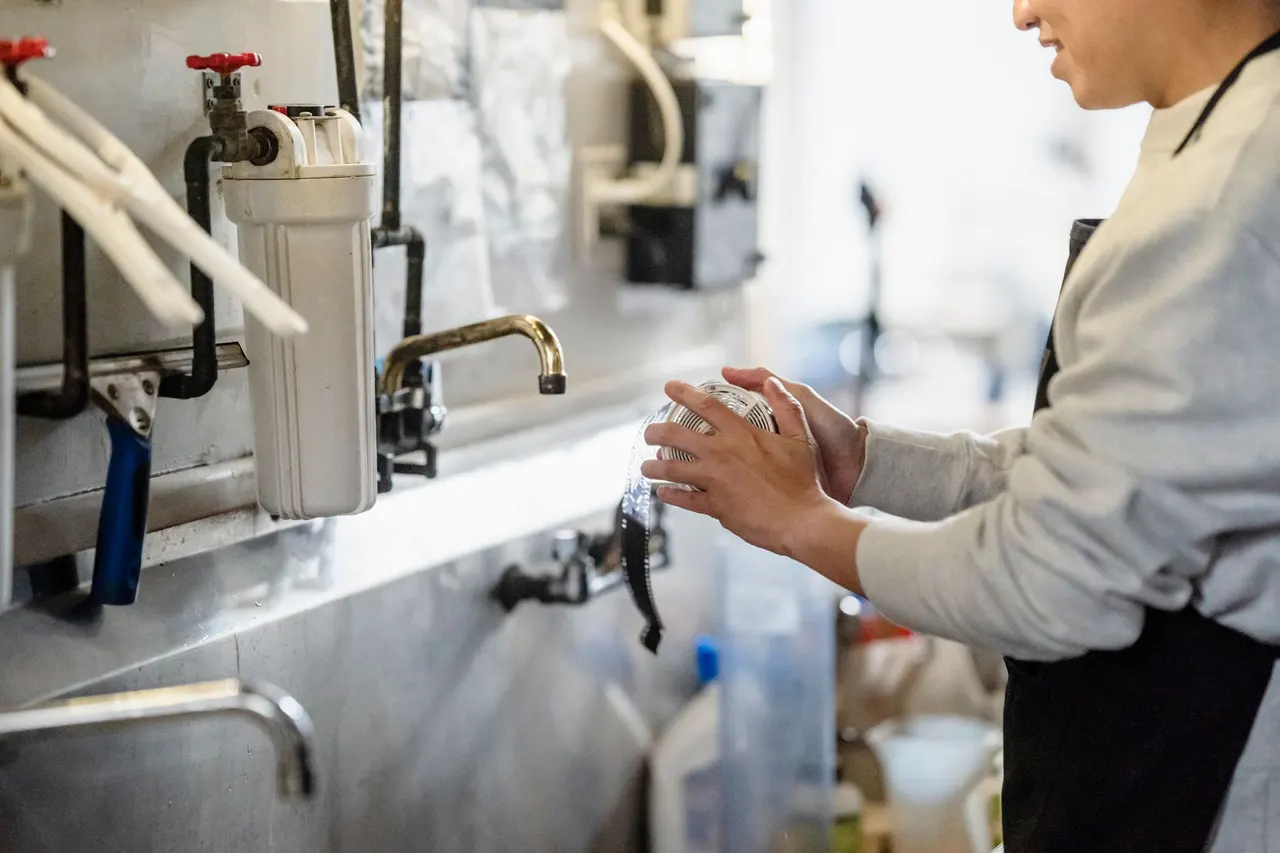
Our plumbers hold Ohio plumbing licenses at the journeyman and master level, and we carry backflow prevention certification for the commercial work we do. We work on Moen, Delta, and Kohler fixtures daily, and we install Rheem, A.O. Smith, and Navien water heaters alongside the pipe work that feeds them. Every technician trains on RIDGID and Milwaukee diagnostic tools and SharkBite push-fit fittings for emergency isolation. We know Cincinnati building stock because we work in it every week, from 1920s bungalows in College Hill to new builds out in Mason.
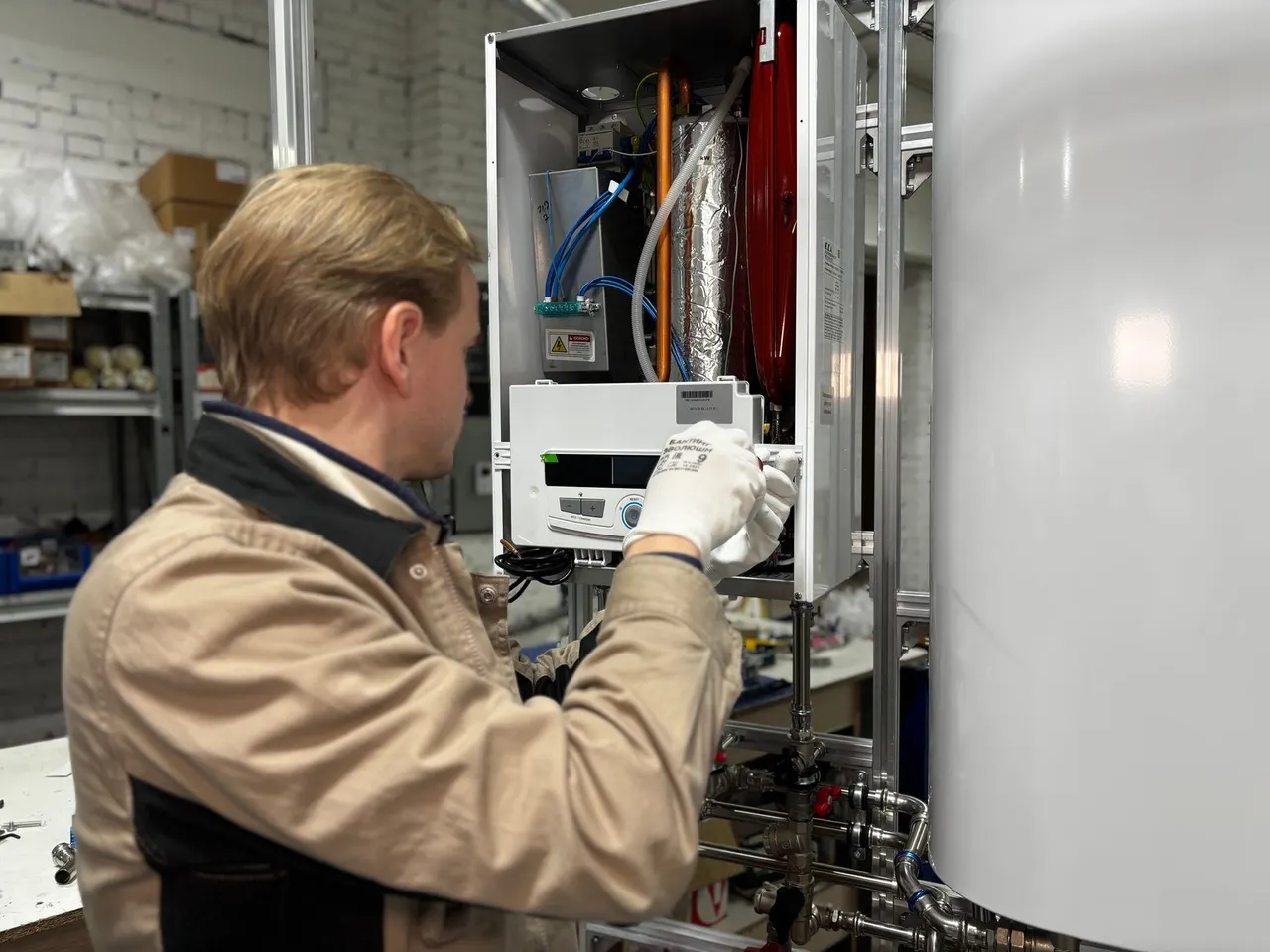
A copper line in our kitchen wall started weeping onto the floor on a Sunday. They had a plumber out by early afternoon, found the pinhole with a camera, and soldered in a new section. Flat price quoted before he started, and he pressure-tested it twice before closing the wall. No leak since.
Our basement flooded when a supply line froze and split in January. The crew isolated it, replaced about four feet of pipe, and had water back on the same night. They documented everything with photos for our insurance claim. The adjuster said it was the cleanest file he had seen.
We manage several older buildings with original galvanized pipe. They have handled three pipe repairs for us this year, all with upfront pricing and no surprise add-ons. They know the building stock here and they do not try to sell a full repipe when a section repair will hold.
Most residential repairs run $180 to $450 in 2026, with simple joint fixes at the low end and slab or buried-line work at the high end. Emergency and after-hours calls add a dispatch premium. The pipe material, access difficulty, and whether drywall or concrete has to be opened drive the number. We quote flat before we start.
Shut off the main valve first, then open the lowest faucet in the house to drain the line. Do not run a space heater on a frozen section if you can avoid it. Call us at 513-827-8348 and we will talk you through isolation while a truck heads your way. A proper fix means cutting out the split section and fitting new pipe, not wrapping it in tape.
Yes. Our emergency pipe repair Cincinnati Ohio line is staffed 24 hours a day, and we dispatch overnight, weekends, and holidays. True emergencies like an active burst or water hitting an electrical panel get priority. Most emergency calls in Hamilton County get a plumber on site within 60 to 90 minutes.
Freezing is the big one. Cincinnati winters drop into the teens, and unheated crawlspaces, garages, and exterior walls freeze fast. The other common causes are age and pressure: original galvanized and thin copper in older neighborhoods, plus high municipal pressure that stresses joints. Tree root intrusion splits clay sewer laterals after wet springs.
Not seeing your question? Our local team can help you understand urgency, scheduling and what to expect.
Ask the local team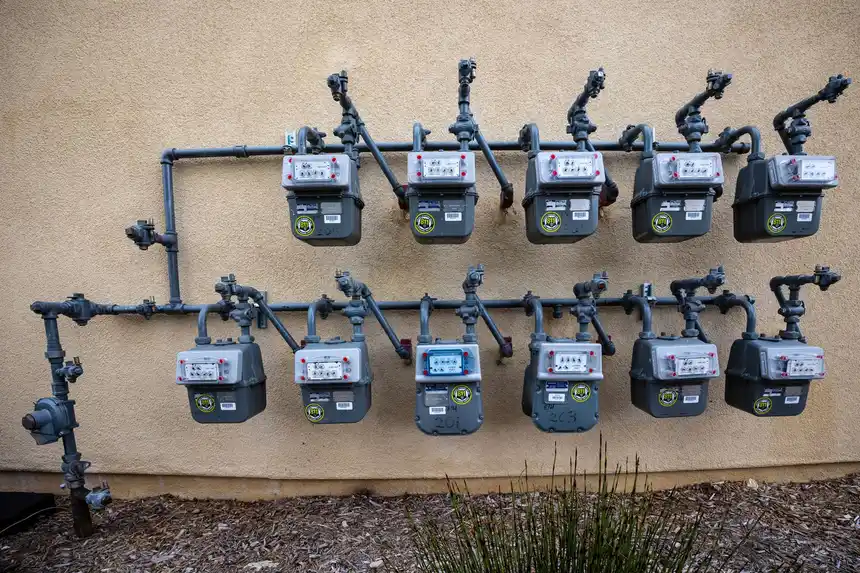
When a pipe lets go at 2 a.m., our emergency crew isolates the line, stops the water, and makes the repair on the spot. We keep the same 24/7 dispatch for pipe repair Cincinnati OH calls as we do for any other after-hours emergency.
View service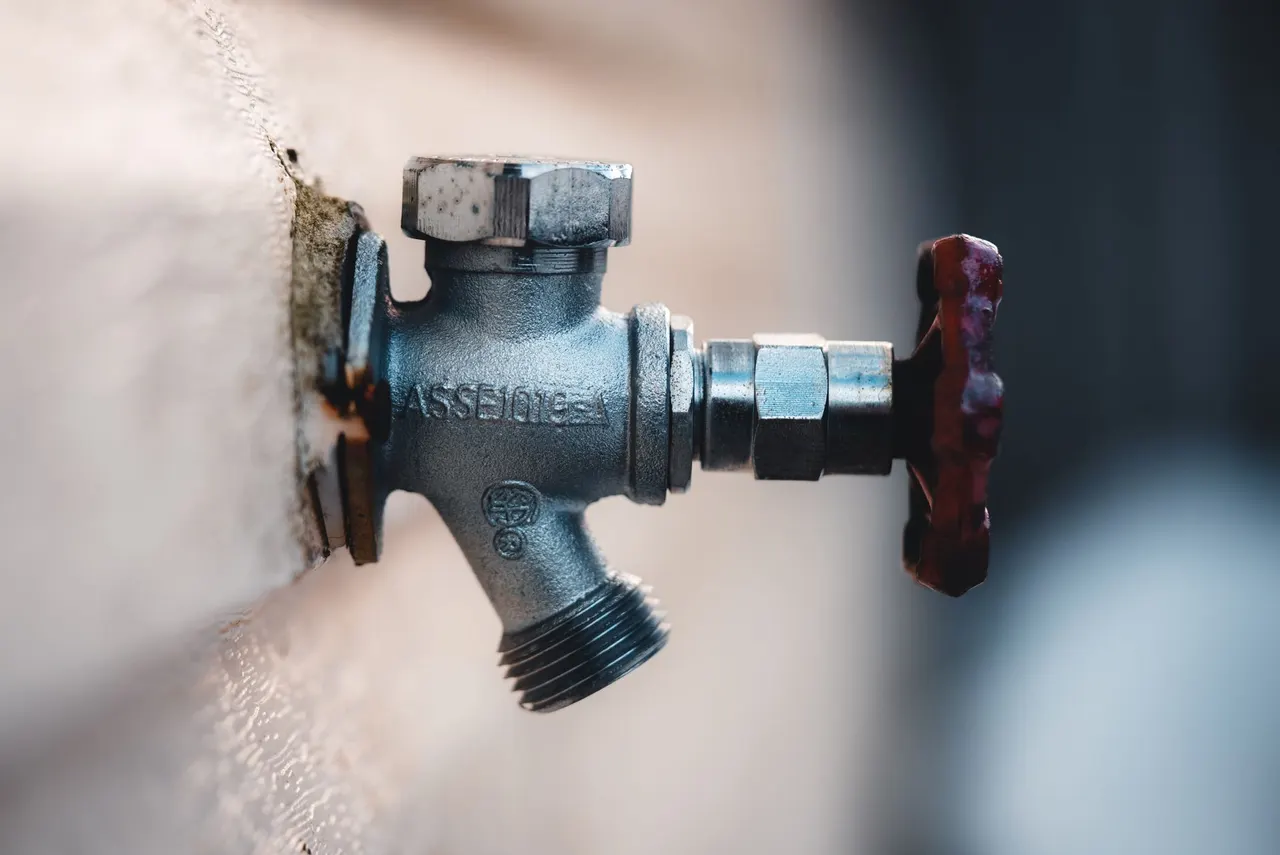
Most of our pipe repair work happens in single-family homes across Hamilton County. From supply lines behind kitchen cabinets to drain stacks in the basement, we handle the full residential system and the fixtures tied into it.
View service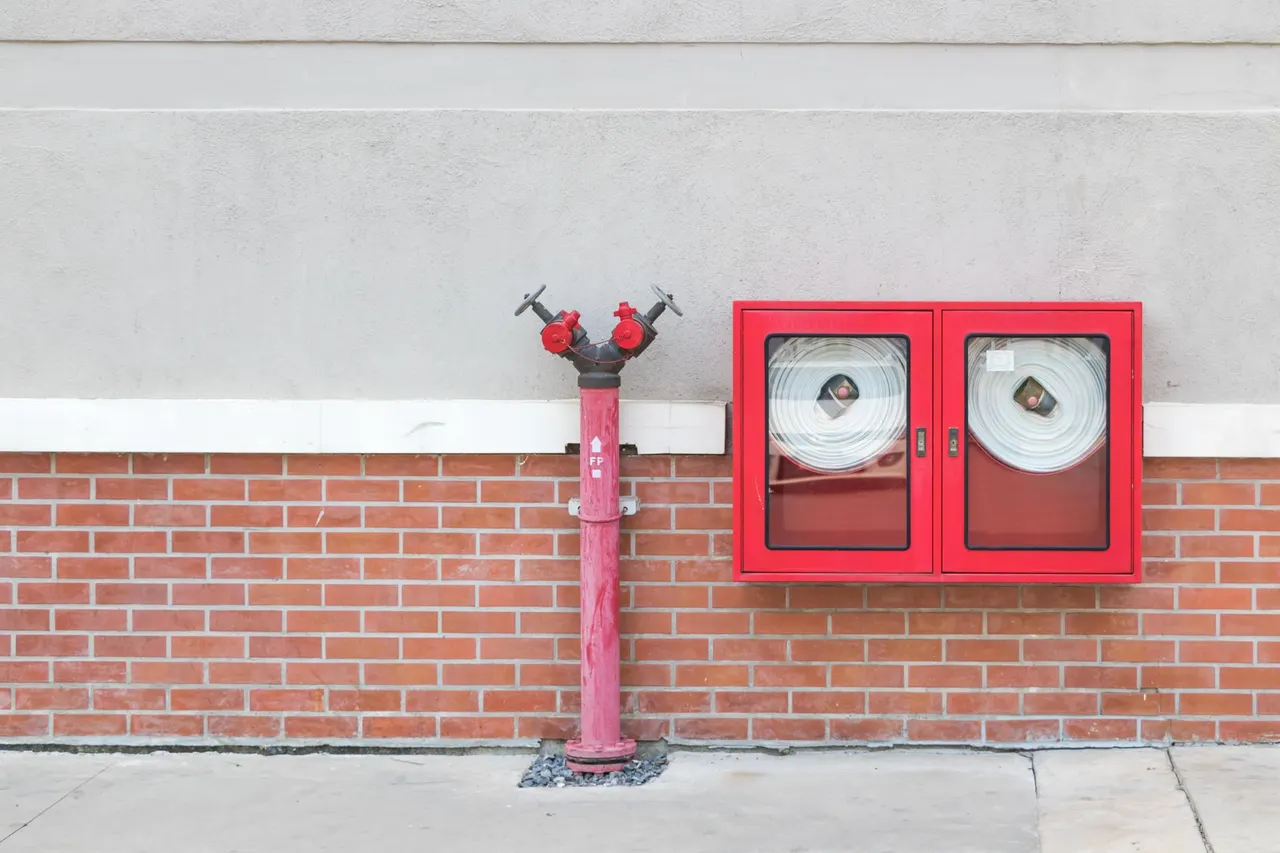
Restaurants, offices, and multi-family buildings need pipe repair that does not shut down the business. We schedule around your hours, work with backflow prevention requirements, and document everything for your property records.
View service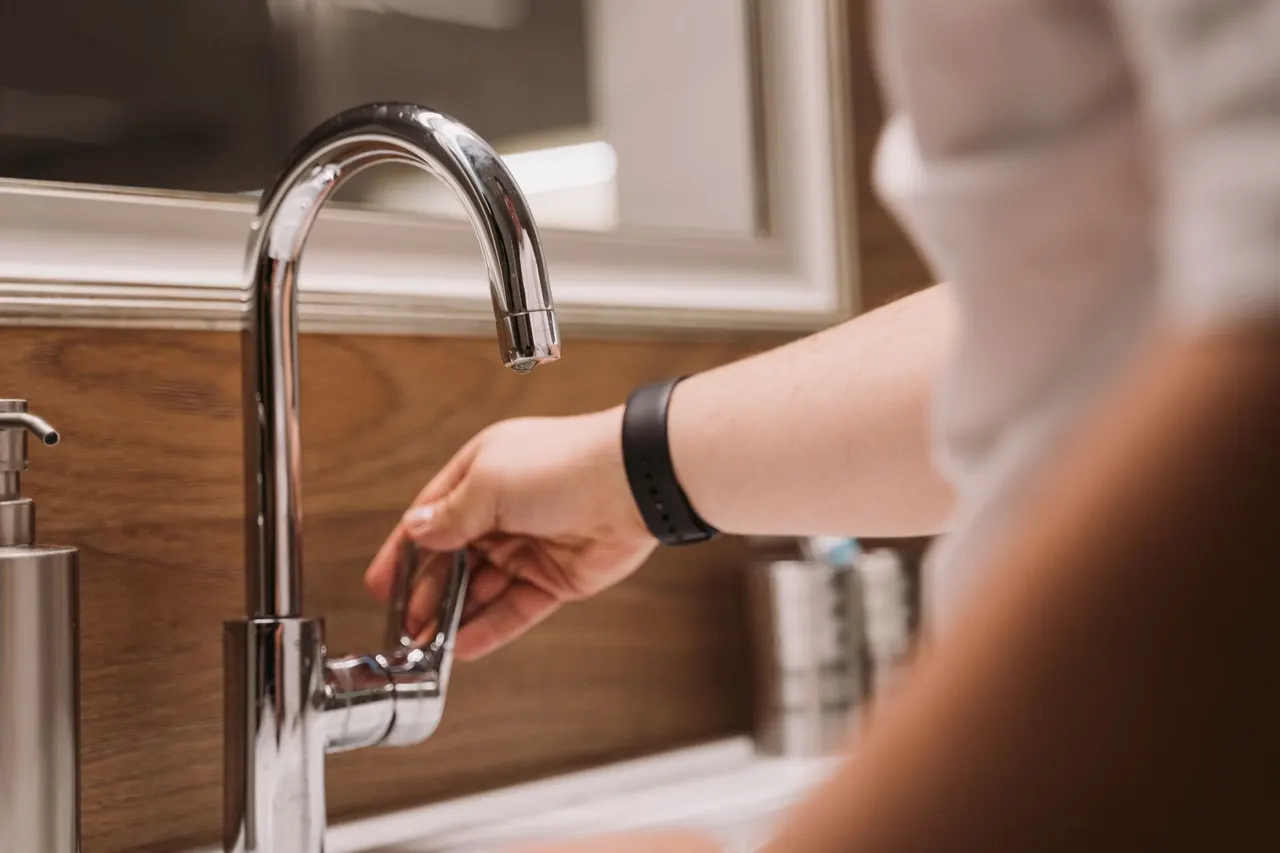
Pipe repair is one part of a bigger picture. If the same visit turns up a failing shutoff, a worn supply line, or a leaking trap, we fix it then. One trip, one invoice, no second appointment.
View service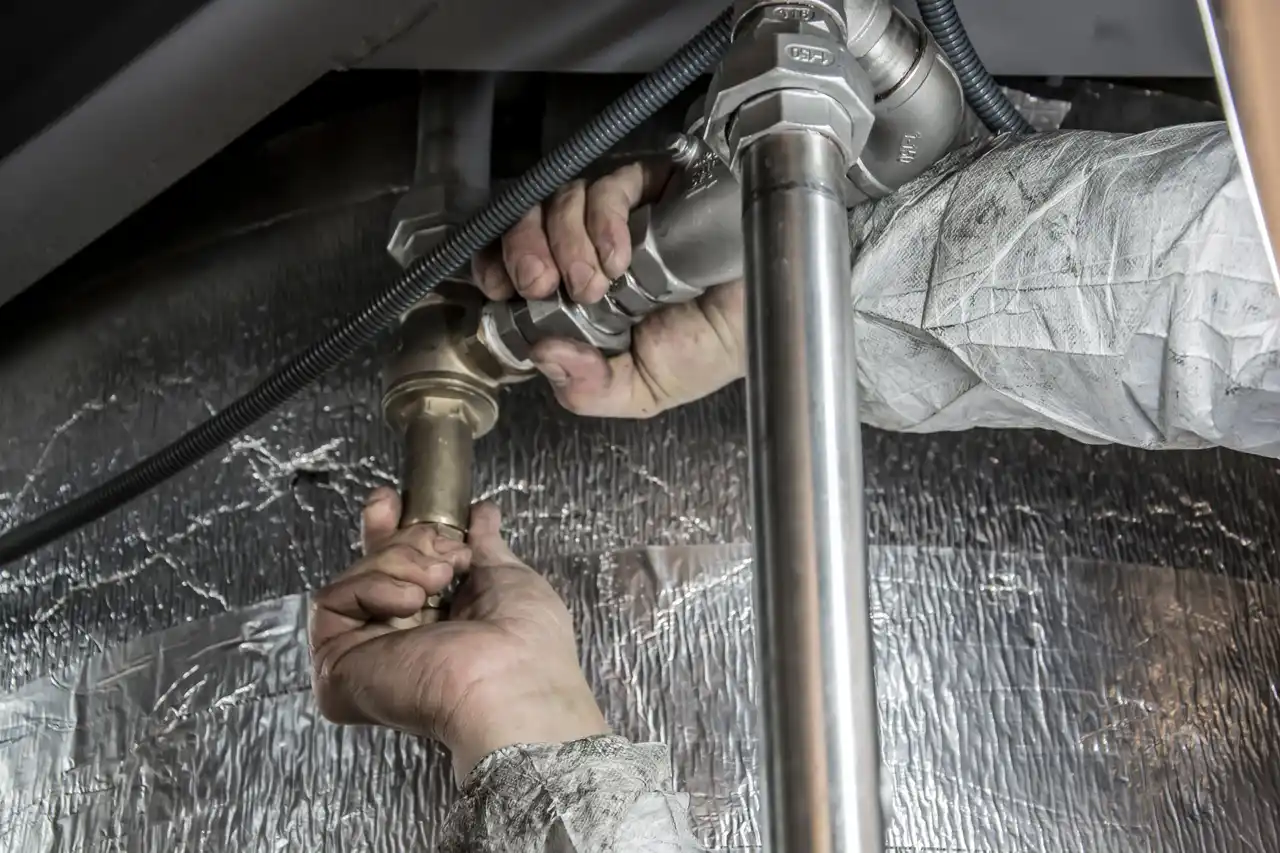
Call us at 5138278348 any time, day or night. We answer emergency calls 24/7 and schedule regular service calls Monday through Friday. If you prefer email, reach us at info@emergencyplumbercincinnatipros.com and we'll get back to you the same day.