Focused arrival windows
Useful updates and clear arrival timing.
When water is running where it shouldn't, our leak repair Cincinnati OH crew finds the source and shuts it down the same day. We handle slab leaks, burst pipes, dripping fixtures, and hidden wall leaks in homes and businesses from Downtown to Blue Ash. One call, one visit, and the water stops.
Useful updates and clear arrival timing.
Review the approach and price before deciding.
Equipped vehicles and respectful cleanup.
Neighbors serving neighbors with follow-through.
Every leak repair we do comes with the same core work: detection, repair, testing, and cleanup. What changes is the scope, which depends on where the leak is and how much pipe has to be replaced. Here is what you get on a standard call.
We use acoustic sensors, thermal imaging, and pressure testing to find the exact source. You get a clear explanation of what failed and why, plus photos of the problem area before any repair starts.
We cut out the damaged pipe or fixture part and rebuild it with copper, PEX, or CPVC to match your system. Fittings, solder, Teflon tape, and any small parts are included in the quoted price.
Before we close anything up, we pressurize the line and watch the gauge. If a joint weeps, we fix it right then. You get a tested, dry line, not a guess that it will hold.
If we opened a wall or floor to reach the leak, we restore the access point so it is ready for drywall or finish work. We leave the area clean and haul away the debris from the repair.
Our workmanship is warrantied in writing, and manufacturer warranties on parts stay valid because we install to spec. If the repair fails, we come back and make it right.
Share what is happening and receive a clear next step from the local team.
Leak repair Cincinnati OH is the process of locating water escaping from a pipe, fixture, or appliance and sealing or replacing the failed part before it damages your home. We start with leak detection equipment to pinpoint the source, then cut out the bad section and rebuild it with copper pipe, PEX tubing, or SharkBite fittings that meet Ohio Plumbing Code. A dripping faucet might take 30 minutes; a slab leak under a Hyde Park bungalow can take a full day.
Cincinnati homes deal with a specific set of leak problems. Freeze-thaw cycles in January crack copper in unheated crawl spaces, and the older housing stock in Over-the-Rhine and Northside still runs original galvanized lines that corrode from the inside out. If you search for leak repair near me Cincinnati OH during a cold snap, you are usually looking at a burst pipe behind a wall. We run pipe camera inspection first so we fix the actual failure, not just the wet spot.
You call 513-827-8348 and describe what you are seeing: a puddle, a stain on the ceiling, a spike in the water bill. We ask a few questions to figure out whether you need to shut off the main, and we dispatch the closest licensed plumber. Emergency calls get a truck rolling immediately.
On site, we run leak detection equipment: acoustic sensors, thermal imaging, and pressure testing on the suspect line. For slab leak repair Cincinnati OH jobs, we isolate the hot and cold runs to confirm which line failed. This step usually takes 30 to 60 minutes and keeps us from tearing into the wrong wall.
We show you what failed, explain the repair options, and give you a flat price. If the line is too far gone for a spot repair, we tell you that too, along with what repiping would cost. You decide. Nothing starts until you say go.
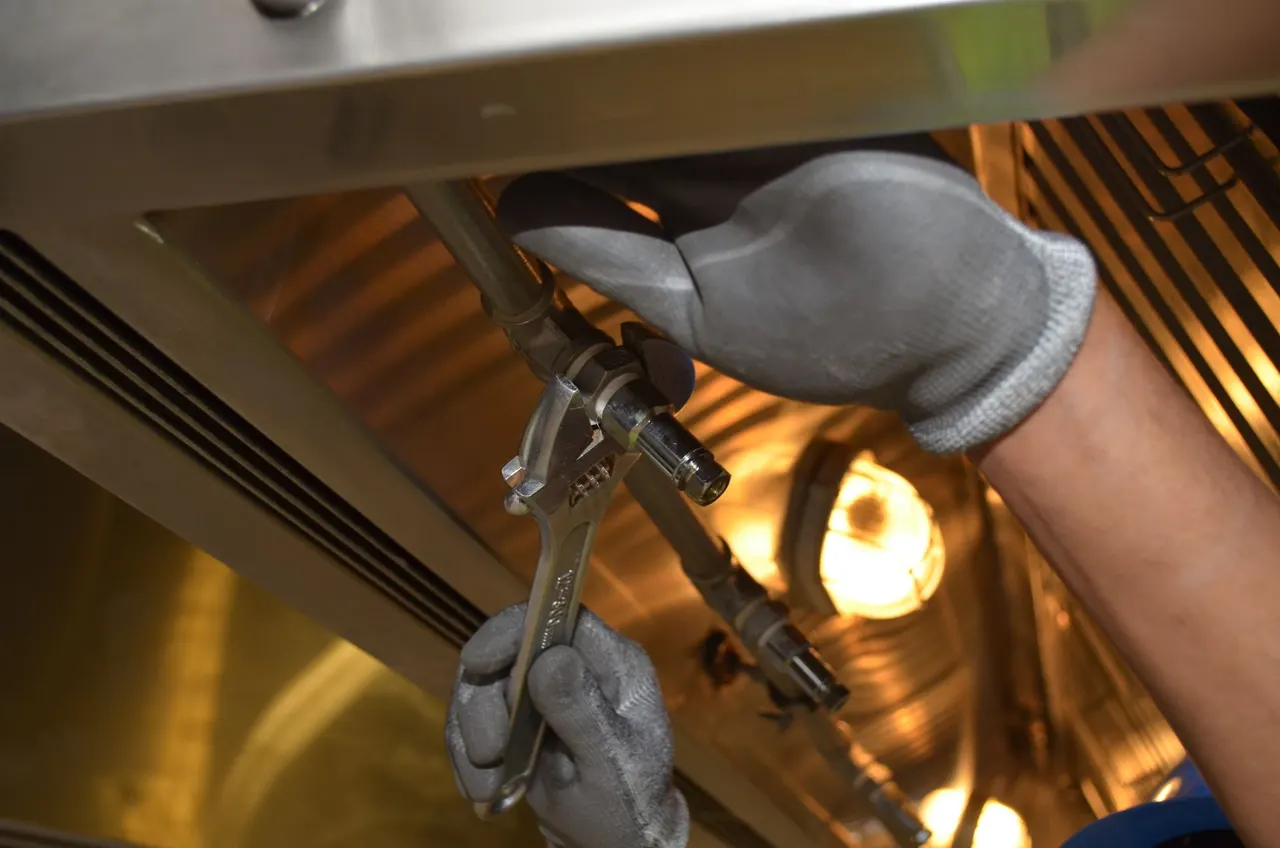
We cut out the failed section with a tubing cutter, then rebuild with copper pipe or PEX tubing depending on what the rest of the system uses. A soldering torch handles copper joints; a PEX crimping tool handles the newer lines. Simple fixture leaks take under an hour. Underground pipe leak repair Cincinnati jobs run longer.
We pressurize the line, watch the gauge, and check every joint before we close anything up. Then we restore the access point and clean the work area. You get a walkthrough of what we fixed and a warranty on the work before we pull out of the driveway.
Listens for the sound of water escaping under pressure, which pinpoints hidden leaks in walls and under slabs without demolition.
Sends a camera down the line to find cracks, root intrusion, and joint failures in drain and sewer pipes.
Shows temperature differences on walls and floors, which reveals where water is pooling behind finishes.
Joins copper pipe and fittings with pipe solder for repairs that match existing copper systems.
Secures PEX tubing connections with crimp rings for fast, reliable repairs on modern supply lines.
Makes clean, square cuts on copper and PEX so joints seat properly and do not leak.
Clears clogs that back up drains and stress pipe joints, which is often the first step before a leak repair.
We isolate a section of the system, pressurize it, and watch the gauge. A drop tells us the line is leaking and confirms the repair held once we are done. It is the most reliable way to verify a fix before closing up a wall.
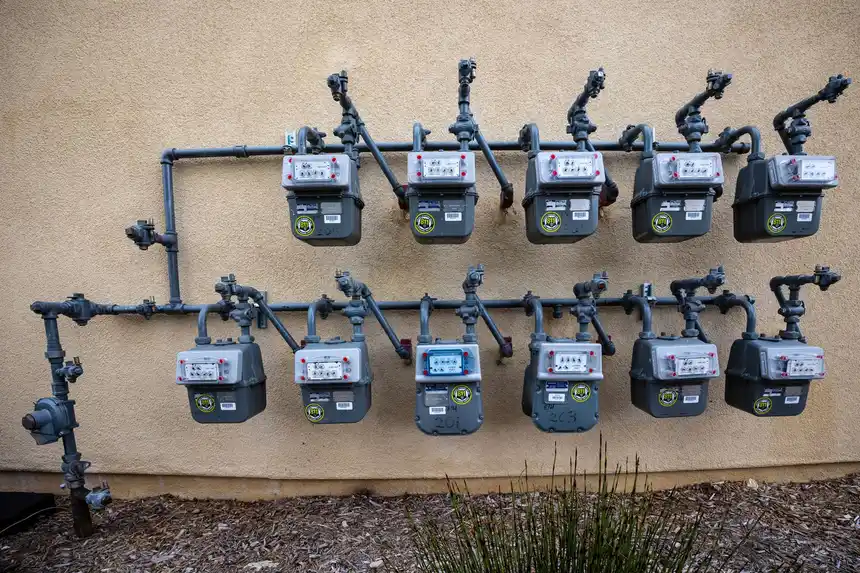
On a slab leak, we shut off the hot and cold sides separately and watch the meter. That tells us which line failed and narrows the repair to one run instead of opening the whole floor.
We match the repair material to the existing system, using copper pipe, PEX tubing, CPVC pipe, and brass fittings as the situation calls for. Every repair meets the Ohio Plumbing Code and the Uniform Plumbing Code.
After any drain or sewer leak repair, we run the camera back through the line to confirm the joint is sound and the flow is clear. You see the footage before we call it done.
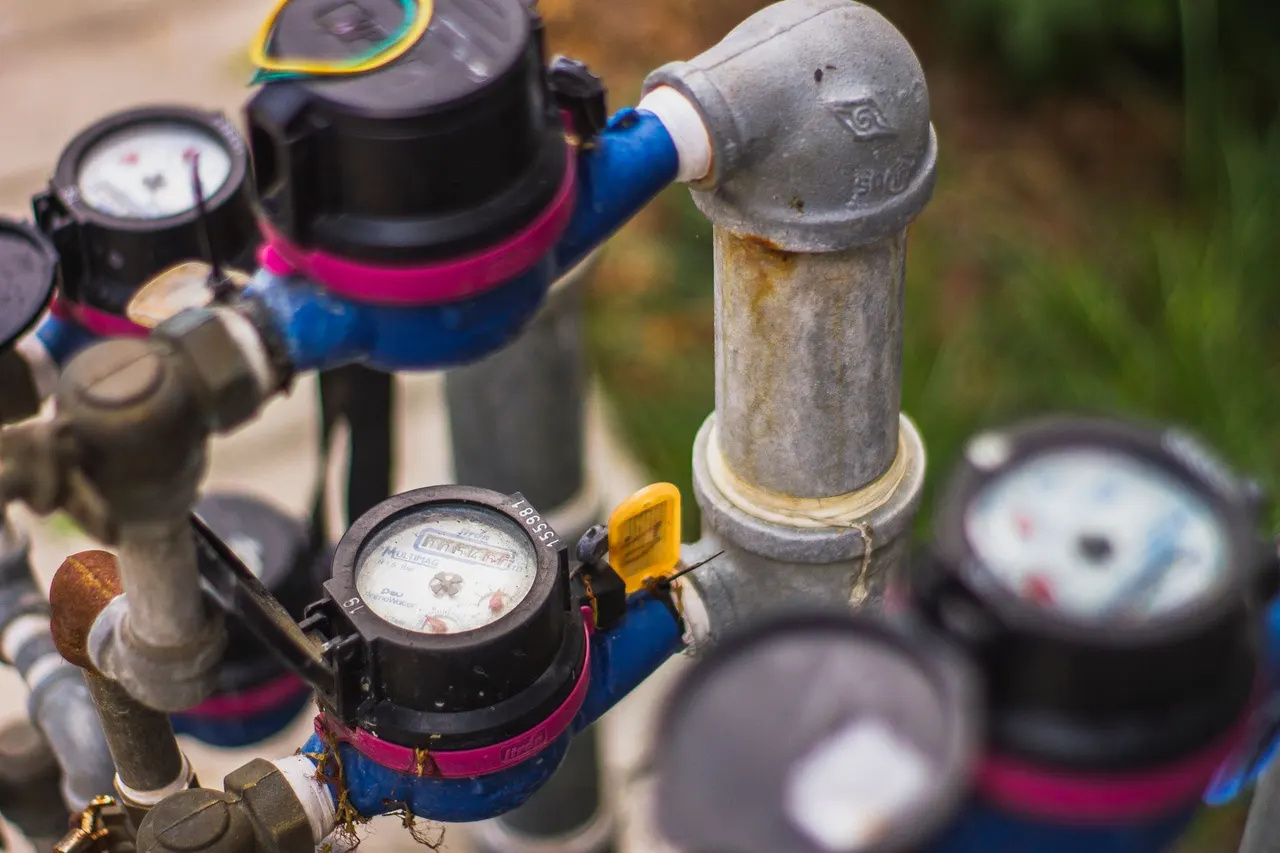
That is a classic hidden leak signal. We come out, isolate the system, and use acoustic and thermal gear to find where the water is going. Most hidden leaks are found and repaired in a single visit. Your water bill returns to normal, and you avoid the wall and floor damage a slow leak causes over months.
Call 513-827-8348 immediately. We walk you through shutting off the main while a plumber heads your way, then repair the split section and check the rest of the line for freeze damage. The water stops fast, limiting damage to a small area instead of a flooded basement.
That points to a slab leak on the hot water line. We confirm it with pressure testing, then repair the line or reroute it overhead depending on the layout and your budget. The slab dries out, the hissing stops, and your flooring stops warping.
We diagnose the source. If it is a fitting, valve, or the anode rod, we repair it. If the tank itself has rusted through, we quote a replacement and install it the same day when possible. You get hot water back and a dry floor, with a clear answer on whether the unit was worth saving.
Cincinnati sits in a freeze-thaw belt, and that shapes most of the leak work we do. From December through March, temperatures swing above and below 32 degrees repeatedly, which stresses copper pipe in crawl spaces, garages, and exterior walls. A pipe that survives one cold night can split the next. We see the highest call volume in January and February, and most of those are burst pipes in older homes. The second big factor is building age. Neighborhoods like Clifton, Northside, and Over-the-Rhine have housing stock from the 1900s through the 1930s, much of it still running original galvanized lines that corrode from the inside. When we open a wall in one of those homes, we often find three generations of pipe: galvanized, copper, and CPVC, all spliced together. We repair to the Ohio Plumbing Code and the Uniform Plumbing Code, and we pull permits when the scope requires it. For slab leak repair Cincinnati OH homeowners call about, we isolate the hot and cold lines first, because a hot-line slab leak is far more common than a cold one. If you need underground pipe leak repair Cincinnati wide, we can usually trace the line and quote the fix the same day.
Larger older homes with finished basements and long supply runs. Hidden leaks behind finished walls are common, so detection gear matters before we open anything.
Historic buildings with original galvanized and copper lines. We see a lot of joint failures and corrosion leaks in these walls.
More slab-on-grade construction, which means slab leaks show up here. We isolate hot and cold lines to confirm the source before opening the floor.
Mixed-age housing stock with crawl spaces that freeze in winter. Burst pipes in unheated crawl spaces are a January staple here.
A mix of older homes and commercial properties. We handle both residential leaks and commercial backflow and supply line repairs in this area.
Water expands when it freezes and splits copper pipe. We see the most burst-pipe emergencies in January, often in crawl spaces and exterior walls.
Corrosion from the inside out causes pinhole leaks and joint failures. These lines often need section replacement rather than a patch.
Shifting soil stresses underground supply and sewer lines, which leads to joint separation and root intrusion over time.
Pressure above 80 psi accelerates wear on every joint and fixture. We check pressure on leak calls and recommend a regulator when it is high.
A homeowner noticed a warm spot on the kitchen floor and a water bill that jumped $110 in one month. A previous company had quoted a full slab break-out. We isolated the hot and cold lines, confirmed a hot-line slab leak, and rerouted the line overhead instead.
The repair took one day, the warm spot disappeared within 48 hours, and the next water bill came back to normal. The homeowner avoided a full floor replacement and saved roughly $3,000 compared to the original quote.
Maintenance: We recommended checking water pressure and installing a regulator if it tested above 80 psi, since high pressure is what stressed the original line.
A supply line in an unheated crawl space split during a January cold snap. Water was spraying into the crawl space and starting to soak the floor above. The call came in at 1:40 a.m.
A plumber arrived within the hour, shut off the main, and replaced the split section with PEX. We insulated the new run and checked the rest of the crawl space for weak spots. The repair was tested and dry by 4 a.m.
Maintenance: We insulated the remaining exposed pipe and recommended a crawl space heat source to prevent a repeat next winter.
A ceiling stain appeared in a first-floor hallway, but no fixture was directly above it. Two other companies had opened drywall in the wrong spots. We used thermal imaging and acoustic detection to trace the leak to a pinhole in a copper line six feet away.
We opened one small access panel, soldered in a new section of copper, and pressure-tested the line. The stain stopped spreading, and the repair was confirmed dry before we closed the access point.
Maintenance: We suggested a whole-home pressure check, since pinhole leaks in copper often signal pressure or water chemistry issues that will cause more leaks over time.
Most leaks fall into a handful of categories. Here are the ones we see most often, and what happens if you let them run.
Water seeps under the foundation, warps flooring, and drives up your water bill by $50 to $150 a month. Left alone, it can undermine the slab and cause cracks in the walls above. We isolate the hot and cold lines to confirm the leak, then repair the failed section or reroute the line overhead. You get a dry slab, a normal water bill, and a repair that does not require breaking up the whole floor.
A burst supply line dumps hundreds of gallons into your walls and floors before you notice. In a Cincinnati January, this is the most common emergency we run. We shut off the water, cut out the split section, and rebuild the line with copper or PEX. We also check the rest of the run for weak spots so the next cold snap does not start the whole thing over.
You see a stain or smell mildew but cannot find the source. Water travels along joists and can show up 10 feet from the actual leak, which is why guessing wastes time and money. Our leak detection equipment finds the source without tearing out the whole wall. We open one small access point, repair the pipe, test it, and leave the rest of the wall intact.
A running toilet wastes up to 200 gallons a day. A dripping faucet adds up too, and both can stain fixtures and raise your water bill without you noticing until it arrives. We replace the flapper, fill valve, or cartridge that failed and test the fixture. Most of these repairs take under an hour and cost a fraction of what the wasted water does over a year.
Our plumbers hold Ohio plumbing licenses at the journeyman and master plumber level, and several carry backflow prevention certification. We work on Moen, Delta, Kohler, and American Standard fixtures daily, and we know how Rheem and A.O. Smith water heaters fail because we repair and replace them all year. That local experience matters when a 1920s Clifton home has a mix of galvanized, copper, and CPVC pipe behind the same wall. We have opened enough of those walls to know what we will find.
We came home to a wet spot on the kitchen ceiling and had no idea where it was coming from. The tech found a pinhole leak in a copper line behind the wall in about 40 minutes using a thermal camera. He cut out the bad section, soldered in new pipe, and had it tested before dinner. No drywall damage beyond the access hole.
Our water bill jumped by $90 in one month and we could not find the leak. They traced it to a slab leak in the hot water line and gave us two options with prices on the spot. We chose the spot repair, and it has held for two winters now. Fair price and no pressure.
Called at 11 p.m. on a Sunday when a supply line burst in one of our units. A plumber was there in under an hour, shut the water off, and had the line repaired the same night. That saved us thousands in water damage to the unit below. They are now our first call.
Most leak repairs in Cincinnati run $180 to $650, with the average around $320. A dripping faucet or running toilet sits at the low end. Slab leaks and underground line repairs push higher because of the access work. We give you the exact price on site before we start, so the number you hear is the number you pay.
Shut off the main valve first, then call us at 513-827-8348. If water is spraying from a supply line, close the fixture shutoff under the sink or behind the toilet. Do not run the water or the dishwasher until we arrive. We locate the failure, repair it, and test the line the same day in most cases.
Yes. We run 24/7 emergency leak repair Cincinnati Ohio dispatch, including nights, weekends, and holidays. A burst pipe or failed water heater connection gets a truck rolling right away. Call 513-827-8348 and we will walk you through shutting off the water while the plumber is on the way.
Freeze-thaw cycles top the list. Water expands when it freezes, and Cincinnati winters crack copper in crawl spaces and exterior walls every January. After that comes corrosion in older galvanized and copper lines, root intrusion in sewer and water service lines, and simple joint failure from age. High water pressure above 80 psi speeds all of it up.
Not seeing your question? Our local team can help you understand urgency, scheduling and what to expect.
Ask the local team
When a leak turns into a flood, emergency service is the first call. We shut off the water, stop the damage, and make the repair on the spot, any hour of the day, anywhere in Hamilton County.
View serviceMost of our leak repair work happens in homes. Residential plumbing covers the supply lines, drains, and fixtures where leaks start, and we handle all of it under one license.
View service
A leak in a restaurant or office building costs money by the minute. We repair commercial supply lines, backflow assemblies, and fixture leaks with minimal downtime for your business.
View service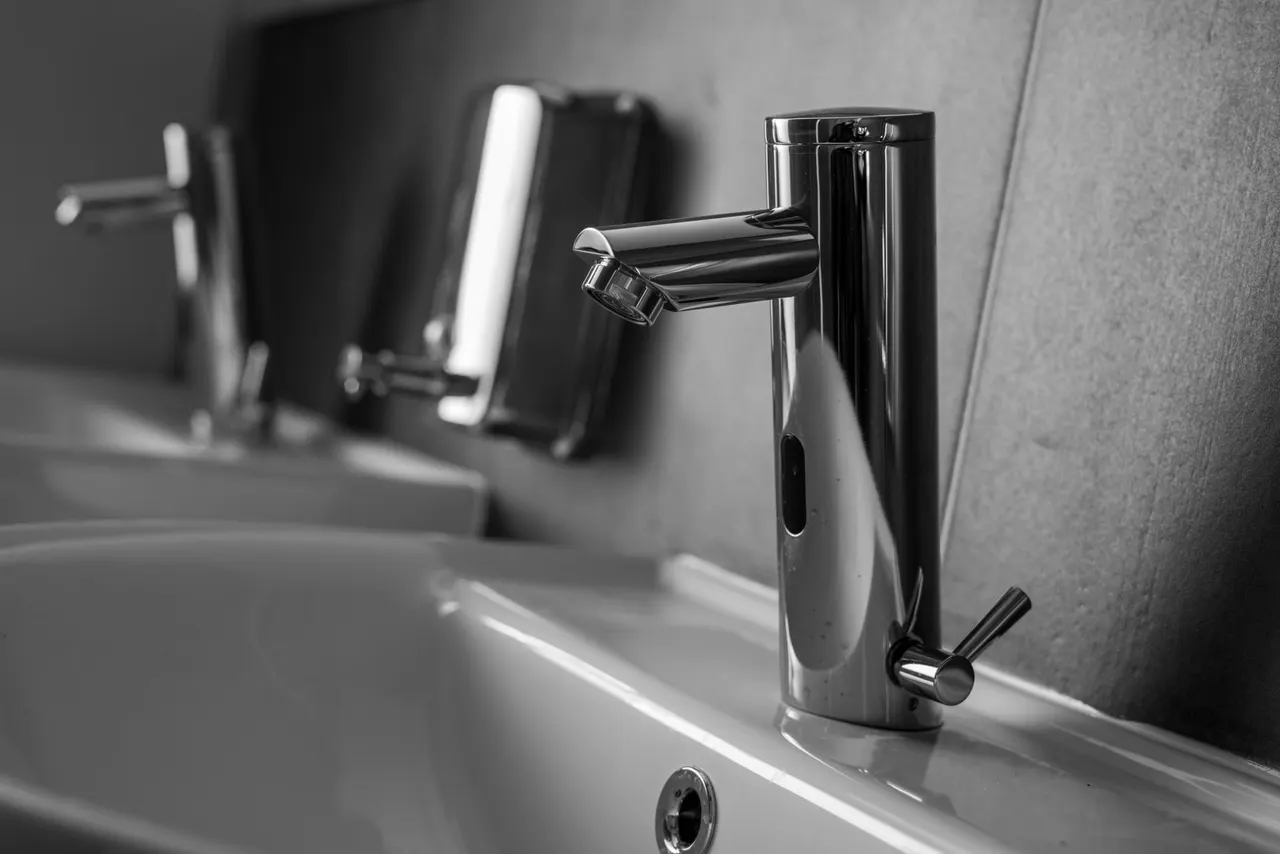
Leaks are one kind of plumbing repair. We also fix running toilets, failed shutoff valves, broken garbage disposals, and low water pressure, often on the same visit as your leak call.
View service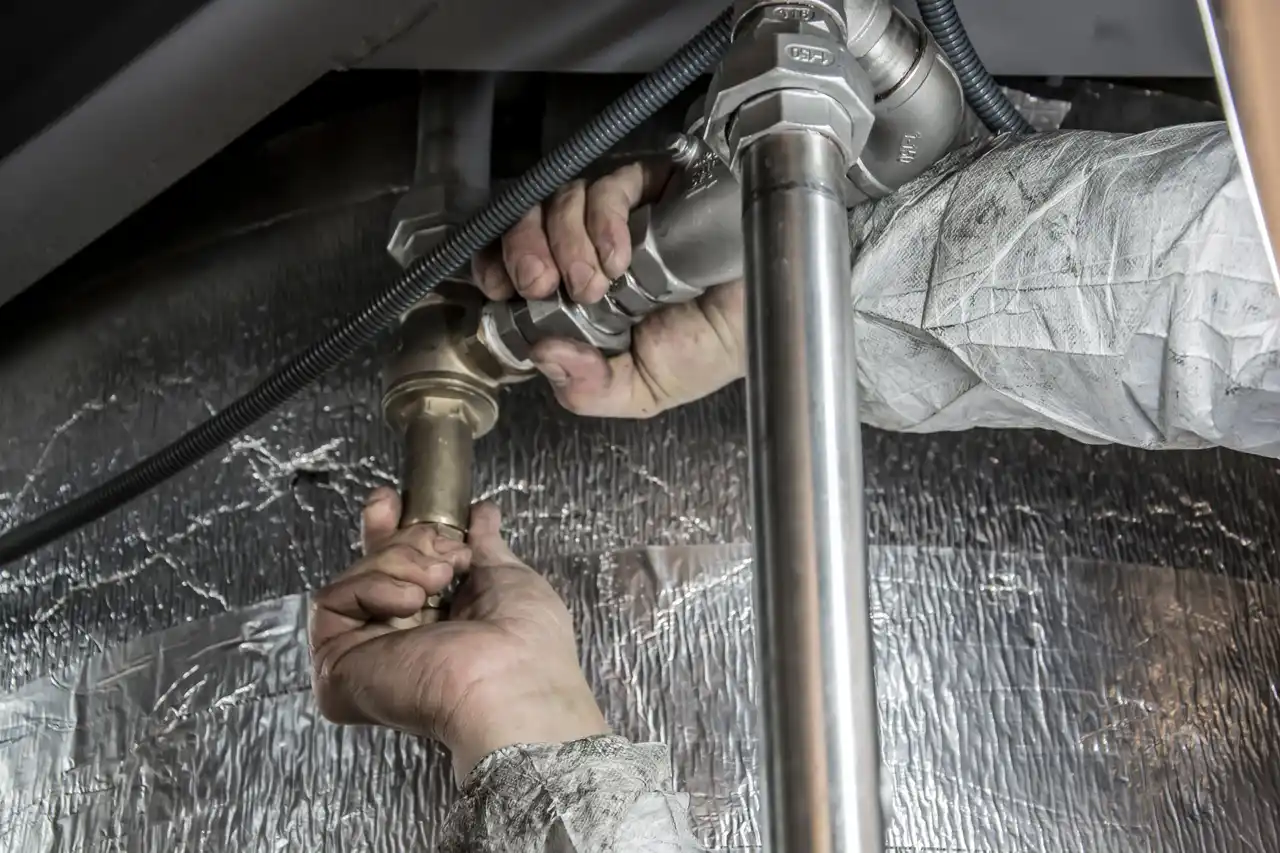
Call us at 5138278348 any time, day or night. We answer emergency calls 24/7 and schedule regular service calls Monday through Friday. If you prefer email, reach us at info@emergencyplumbercincinnatipros.com and we'll get back to you the same day.