Focused arrival windows
Useful updates and clear arrival timing.
When water shows up where it shouldn't, leak detection Cincinnati OH is how you stop the damage before it spreads. We use electronic listening gear, pipe camera inspection, and pressure testing to pinpoint hidden leaks behind walls, under slabs, and inside underground lines across Hamilton County. One visit, one clear answer, and a repair plan you can act on today.
Useful updates and clear arrival timing.
Review the approach and price before deciding.
Equipped vehicles and respectful cleanup.
Neighbors serving neighbors with follow-through.
Every leak detection call includes the full diagnostic process, not just a quick look. Here is what you get for the flat fee, and what we quote separately if repairs are needed.
We pressurize the entire supply system to 80 psi and watch for drops. This confirms there is a leak and tells us whether it is on the supply side or the drain side. It takes about 10 minutes and rules out half the possible causes before we start hunting.
We use acoustic listening discs and thermal imaging to pinpoint the leak. On slab leaks, the thermal scan shows the warm spot. On wall leaks, the acoustic gear picks up the sound of water escaping. This is the step that saves you from cutting open five walls to find one leak.
For drain-side leaks and underground lines, we run a pipe camera through the line to see the break. You see the footage on the monitor. If there is root intrusion, a crack, or a separated joint, we show you exactly where it is and how bad it is.
You get a written report with the leak location, the method used to find it, and photos of the camera view or thermal image. If you need to file an insurance claim, this report is what your adjuster wants to see. We email it before we leave the driveway.
Once we find the leak, we quote the repair. Flat price, no hourly meter. If you hire us for the repair, we credit the diagnostic fee toward the work. If you want a second opinion, you have the report and photos to share with another plumber.
Share what is happening and receive a clear next step from the local team.
Leak detection Cincinnati OH is the process of locating hidden water leaks without tearing your home apart. We pressurize the system, isolate sections, and use acoustic listening equipment and thermal readings to hear or see where water is escaping. Copper pipe, PEX tubing, and older galvanized lines all fail differently, so we match the method to the material. A pipe camera inspection confirms what the acoustic gear suggests, and you get a marked location before anyone picks up a wrench.
Cincinnati homes deal with real seasonal swings. Frozen pipes in January, root intrusion after wet springs, and slab leaks that show up as a warm spot on the floor in August. If your water bill jumped 30% with no change in habits, that is a leak. We handle water leak detection Cincinnati calls in older Hyde Park homes with original copper and in newer West Chester builds with PEX. If you have been searching leak detection near me Cincinnati OH at 11 p.m., we answer.
We ask three questions: where is the water showing up, has the meter been running, and how old is the house. That tells us whether to bring slab gear, underground equipment, or standard acoustic tools. Most calls get a same-day window. If you have active water, we treat it as emergency priority.
First thing on site, we shut off fixtures and pressurize the system to 80 psi. If pressure drops, there is a leak. If it holds, the leak is on the drain side or the supply to an appliance. This 10-minute test tells us which half of the plumbing to focus on.
We use acoustic listening discs and a pipe camera inspection to trace the leak. On slab leaks, a thermal scan shows the warm spot where hot water is escaping. On underground lines, we use a hydro jetting machine to clear debris first, then run the camera. This is where the leak gets pinned to a spot you can mark with tape.
We confirm the leak by isolating that section and watching the meter. You get a written location, a photo of the camera view, and a repair recommendation. If the leak is under a slab, we mark the floor. If it is behind a wall, we mark the stud bay. No guessing for the repair tech.
You get a flat repair price before we start. Most supply-line leaks are a same-day fix. Slab leaks may need a reroute or a spot repair, and we walk you through both. If the line is too far gone, we quote repiping. You decide, we schedule, and we test the line before we leave.

Placed on the floor or wall to amplify the sound of water escaping under pressure. This is the primary tool for locating slab leaks and in-wall supply leaks without demolition.
Shows temperature differences on floors and walls. A hot-water leak under a slab shows up as a warm spot. A cold-water leak shows up as a cool spot. We use Milwaukee thermal cameras.
A camera on a flexible reel that runs through drain and sewer lines. We use it to see cracks, root intrusion, and separated joints in underground lines. You see the footage on the monitor.
Clears debris, grease, and roots from drain lines before camera inspection. A clean line gives us a clear view of any damage. We use it on sewer and main drain lines.
Pressurizes the supply system to 80 psi and holds it. If pressure drops, there is a leak. This is the first test we run on every call and it takes about 10 minutes.
Traces underground pipe routes and marks the line path before we dig or camera. Essential for underground leak detection Cincinnati OH calls where the line runs under a yard or driveway.
We shut off sections of the system one at a time and watch the pressure gauge. When the pressure holds, we have isolated the leak to a specific run. This narrows the search from the whole house to one line in about 20 minutes.
Water escaping a pipe makes a sound. We place listening discs on the floor or wall and move them until the sound is loudest. That is the leak. On slab leaks, this gets us within a few inches of the break.
We scan the floor or wall with a thermal camera and look for temperature anomalies. A hot-water leak shows as a warm streak. A cold-water leak shows as a cool spot. We combine this with acoustic data to confirm the location.
For drain-side leaks and underground lines, we run a camera to see the damage directly. A crack, a root mass, or a separated joint is visible on screen. This confirms the leak and tells us whether repair or replacement is the right call.
After the repair, we watch the water meter with every fixture off. If it stops spinning, the leak is fixed. This is the final test before we pack up and the proof you need that the problem is solved.
That sound is a supply-line leak under pressure. We pressure-test the system, use acoustic listening discs to trace the sound to a specific stud bay, and open one small section of drywall to confirm. Most of these are copper pinhole leaks or failed PEX crimp rings. You get the leak located and repaired in one visit, usually within two hours of arrival. The wall is opened in one spot, not five.
We start with a meter test to confirm the leak is active, then pressure-test the supply system. If it holds, we camera the drain lines. Underground leak detection Cincinnati OH gear traces exterior lines from the meter to the house. We find it, mark it, and quote the repair. You know exactly where the leak is and what it costs to fix. No more guessing, no more high bills.
That is a classic slab leak symptom on a hot-water line. We run thermal imaging to confirm the warm spot, then acoustic gear to pinpoint the leak. We mark the floor and give you repair options: spot repair, reroute, or repipe. You avoid jackhammering the slab in most cases. The reroute runs new PEX through the attic and restores hot water without breaking concrete.
We run a full leak detection Cincinnati OH inspection on the property before you close. Pressure test, thermal scan, and camera inspection of the drain lines. You get a written report with photos you can use in negotiations. You know what you are buying. If there is a leak, you have documentation to ask the seller to fix it or credit you the repair cost.
Cincinnati's building stock is a mix of pre-1920 homes with original galvanized and copper pipe, mid-century ranches with copper, and new builds with PEX. Each era fails differently. Galvanized pipe corrodes from the inside and leaks at joints. Copper develops pinhole leaks after 40 years. PEX fails at crimp rings and fittings. We match the detection method to the material. The climate matters too. Cincinnati gets freeze-thaw cycles from November through March, which cracks supply lines in unheated crawl spaces and exterior walls. Spring rains saturate the ground and expose underground line leaks. Summer humidity makes mold grow fast when a leak is behind a wall. The Ohio Plumbing Code and Uniform Plumbing Code govern how repairs are done, and we pull permits when required. If you are searching water leak detection cost Cincinnati Ohio, remember that finding the leak is the cheap part. Fixing the damage from a leak you ignored is the expensive part.
Many homes here were built in the 1920s and still have original copper supply lines. Pinhole leaks in copper are our most common call in this neighborhood.
Century-old homes with a mix of updated and original plumbing. We often find leaks where new PEX was tied into old galvanized pipe without a proper transition fitting.
Slab-on-grade homes built in the 1970s and 1980s. Copper lines under the slab are now at the age where pinhole leaks are common, especially on hot-water lines.
Newer construction with PEX and CPVC. Leaks here are usually failed crimp rings or cracked CPVC fittings rather than pipe corrosion.
Older homes with a history of DIY plumbing repairs. We find leaks at SharkBite fittings and threaded connections that were not properly sealed.
Supply lines in crawl spaces and exterior walls crack when water freezes and expands. We see a spike in burst-pipe leak detection calls in January and February.
Pressure above 80 psi wears out valves, fittings, and appliance connections faster. We check pressure on every leak detection call and recommend a pressure-reducing valve if it is high.
Cincinnati's clay soil expands when wet and contracts when dry. That movement stresses underground supply and sewer lines, causing cracks and joint separation over time.
A leak behind a wall in July can grow mold in 24 to 48 hours. We prioritize finding the leak fast so the cavity can be dried before mold takes hold.
A homeowner in Hyde Park noticed a musty smell in the hallway closet and a water stain on the ceiling below the master bath. The water bill had climbed $70 over two months. Two other plumbers wanted to open the entire wall without knowing where the leak was.
We pressure-tested the system, confirmed a supply-side leak, and used acoustic listening discs to pinpoint a pinhole in a copper line behind the shower valve. We opened one 12-inch section of drywall, repaired the pipe with new copper and a soldered coupling, and pressure-tested to 80 psi. Total repair time: 90 minutes.
Maintenance: We recommended a pressure-reducing valve because the home's pressure was at 95 psi, which accelerates copper corrosion. Keeping pressure under 80 psi extends the life of the entire supply system.
A family in Anderson Township had a warm spot on the kitchen tile that had been growing for three weeks. The water bill was up $120. They feared a full slab break-out that would displace them for a week and cost thousands in concrete and flooring work.
Thermal imaging confirmed a hot-water slab leak. We marked the spot, then rerouted the line through the attic using PEX tubing. The new line tied into the existing system at the water heater and the kitchen fixture. No concrete was broken. The job took two days and the warm spot disappeared.
Maintenance: We installed isolation valves on the new run so future leak detection is faster. We also recommended an annual water heater flush to keep sediment from stressing the new line.
A homeowner in Westwood noticed the water meter spinning with everything off and a soggy patch in the front yard that never dried out. The water bill had doubled. The line ran under a concrete walkway, so digging blindly was not an option.
We used a RIDGID locator to trace the underground line and acoustic gear to find the break. The leak was a cracked fitting about 12 feet from the house, under the edge of the walkway. We excavated one small section, replaced the failed fitting with brass, and pressure-tested the line. The meter stopped spinning.
Maintenance: We recommended keeping the soil around the line from staying saturated, since clay soil movement was likely what cracked the fitting. A simple grade adjustment keeps water flowing away from the line.
Most leaks do not announce themselves. They show up as a higher bill, a damp spot, or a sound you cannot place. Here are the problems we solve most often for Cincinnati homeowners.
A hidden leak wastes 100 to 300 gallons a day. Over a month, that is $50 to $150 on your bill, and it does not stop until the leak is found and fixed. We pressure-test the system, isolate sections, and use acoustic gear to find the leak. Most bill-jump leaks are supply-line pinholes in copper or failed fittings on PEX. We locate it, mark it, and quote the repair the same day.
A warm spot usually means a hot-water slab leak. Left alone, it undermines the slab, warps hardwood, and can cost $5,000 or more in foundation and flooring repair. We run slab leak detection Cincinnati OH diagnostics with thermal imaging and acoustic discs to find the exact spot. Then we give you options: spot repair, reroute through the attic, or repipe. Most customers choose the reroute to avoid jackhammering.
That smell is mold, and it means water has been sitting behind the wall or under the cabinet for days. Mold spreads fast in Cincinnati's humid summers and can become a health issue. We find the leak source with electronic detection, mark it, and quote the repair. Once the leak is fixed, the cavity can dry out. If mold is present, we tell you so you can bring in a remediation pro before closing the wall.
This is the clearest sign of an active leak. Every hour it runs, damage spreads. If it is a slab leak or underground line, the water is going into the ground or under the foundation. We shut off the main, isolate sections, and test each one to narrow the leak to a single run. Then we use underground leak detection Cincinnati OH equipment to trace the line and mark the break. Same-day repair is usually possible.
Our technicians hold Ohio plumbing licenses and work under a master plumber license on every job. We train on RIDGID and Milwaukee leak detection equipment, and we keep current with the Ohio Plumbing Code and Uniform Plumbing Code so repairs pass inspection the first time. We have located leaks in century-old Clifton homes with original copper pipe and in new-build Mason subdivisions with PEX tubing and SharkBite fittings. Backflow prevention certification and OSHA safety certification are standard on our crew. When we mark a leak, we are right.
Water bill jumped from $80 to $190 in one month. I called three plumbers and two wanted to cut into the wall without knowing where the leak was. These guys pressure-tested, used a listening disc, and found a pinhole in a copper line behind the master shower in about 40 minutes. Marked it, showed me the photo, fixed it the same day. Bill is back to normal.
We had a warm spot on the kitchen floor for weeks and kept ignoring it. Finally called for slab leak detection Cincinnati and they found a hot-water line leaking under the slab. Gave us three options, we picked the reroute through the attic, and they had it done in two days. No jackhammering the floor. Honest pricing and they cleaned up after themselves.
I manage six commercial buildings downtown and use these guys for all my leak detection. They respond fast, document everything with photos, and their reports are clean enough to send straight to ownership. Found a leak in a restaurant supply line last month that two other companies missed. They know what they are doing.
Most residential leak detection calls in Cincinnati run $250 to $450 in 2026, depending on whether it is a standard supply-line leak or a slab leak that requires thermal scanning. That flat fee covers the pressure test, electronic location, and a written report with photos. If you hire us for the repair, we credit the diagnostic fee toward the work. Underground leak detection Cincinnati OH jobs on long exterior lines may run slightly higher.
The three clearest signs are a water bill that jumped 20% or more with no change in use, a water meter that keeps spinning with every fixture off, and warm spots or damp patches on the floor. Other clues include the sound of running water when nothing is on, musty smells in a closet or cabinet, and cracked drywall. If you see two or more of these, call us for water leak detection Cincinnati before the damage spreads.
Yes. Slab leak detection Cincinnati is one of our most common calls. We use acoustic listening discs and thermal imaging to find the leak under the concrete without breaking the slab first. Once located, we mark the floor and give you repair options: spot repair, reroute through the attic or walls, or repiping. Most slab leaks we find are on hot-water lines, which is why the floor feels warm.
The four biggest causes we see are frozen pipes that crack in winter, root intrusion in older clay sewer lines, corrosion in copper pipe that is 40-plus years old, and failed fittings on PEX or CPVC. Cincinnati's freeze-thaw cycles stress supply lines every year. High water pressure above 80 psi wears out valves and fittings faster. If your home was built before 1980, copper corrosion is the most likely culprit.
Not seeing your question? Our local team can help you understand urgency, scheduling and what to expect.
Ask the local team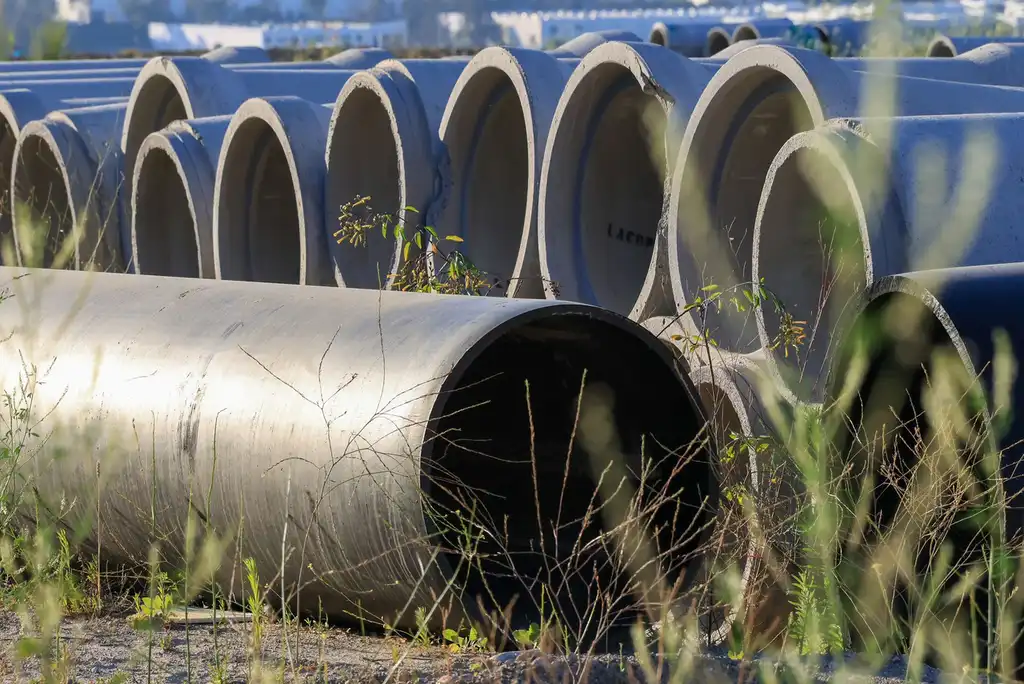
When a leak turns into active water damage, our emergency team responds 24/7 across Cincinnati. We shut off the water, stabilize the situation, and start leak detection on the spot. Burst pipes at 2 a.m. and water heater failures before a holiday are exactly what we handle.
View service
Leak detection is one part of keeping a Cincinnati home dry. Our residential plumbing team handles the repair once we find the leak, whether that is a supply line behind a wall, a fixture connection under a sink, or a main line running to the street.
View service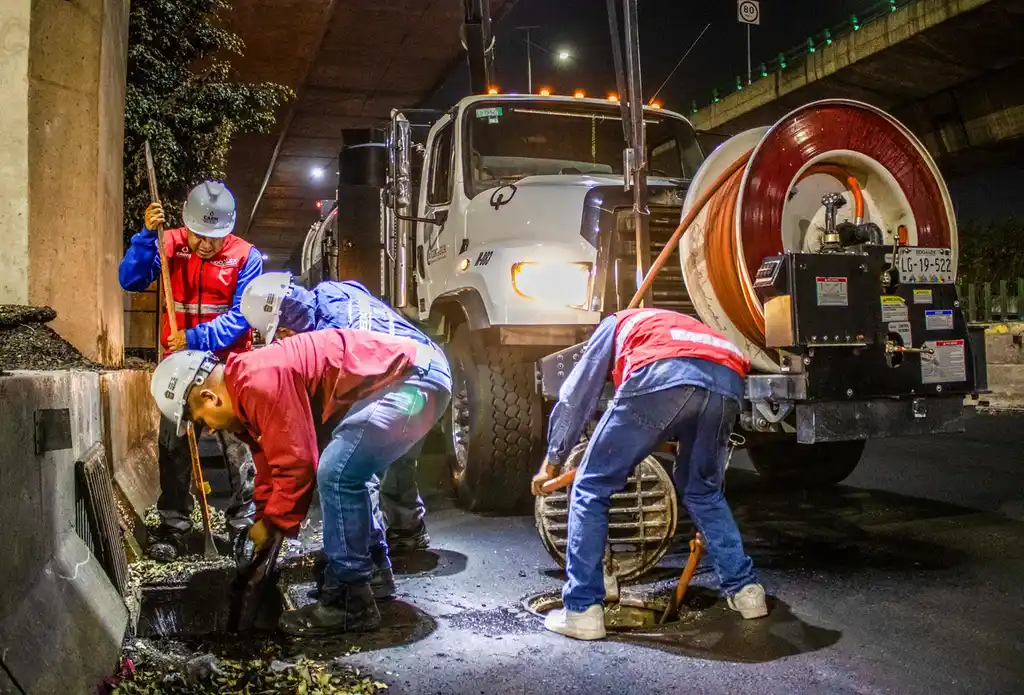
Commercial buildings in Downtown Cincinnati and Blue Ash have larger supply systems and higher water pressure. We run leak detection on commercial lines, from restaurant kitchens to office restrooms, and coordinate repairs around your business hours to keep disruption low.
View serviceOnce leak detection pinpoints the problem, our repair techs fix it. That includes soldering copper pipe, crimping PEX tubing, replacing brass fittings, and swapping failed shutoff valves. Most supply-line repairs are done in a single visit with parts on the truck.
View service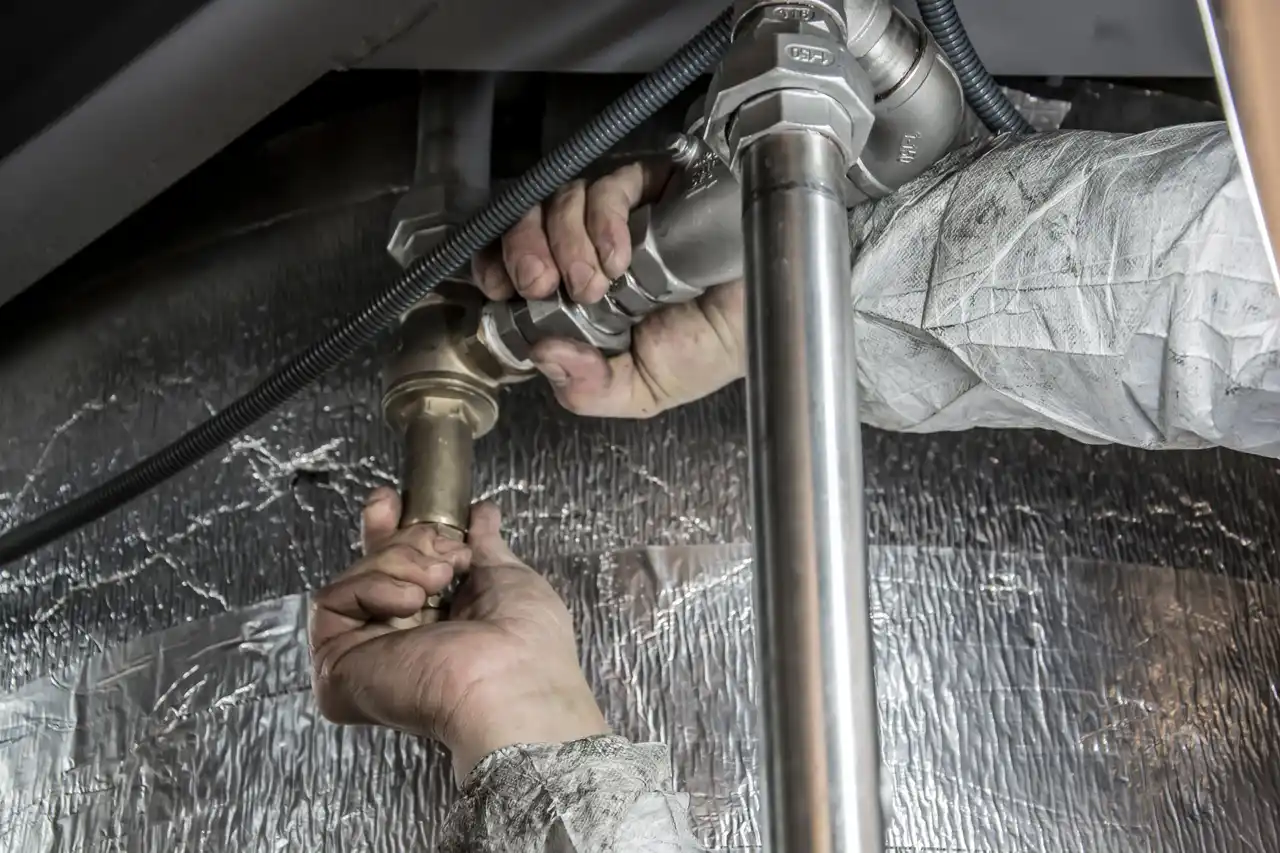
Call us at 5138278348 any time, day or night. We answer emergency calls 24/7 and schedule regular service calls Monday through Friday. If you prefer email, reach us at info@emergencyplumbercincinnatipros.com and we'll get back to you the same day.